
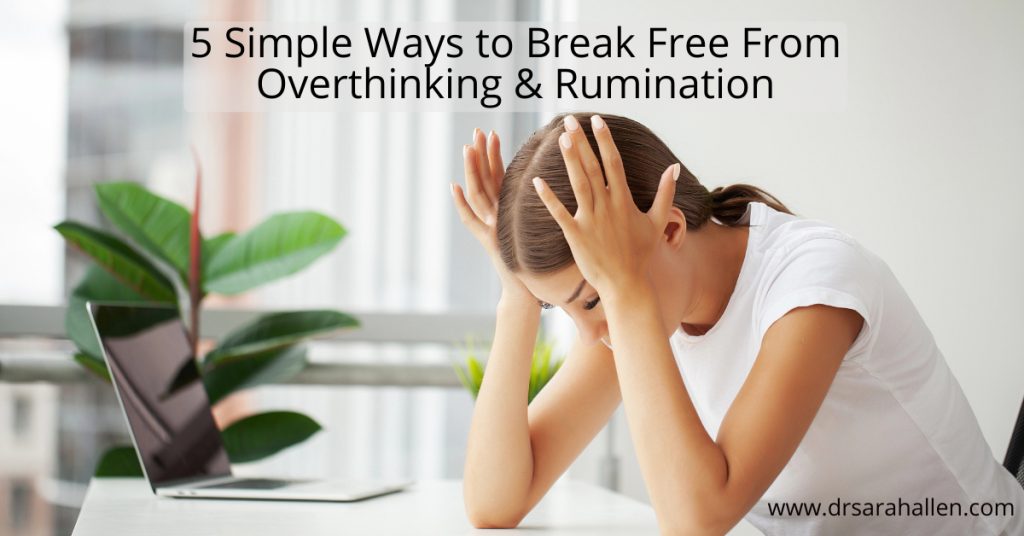
One of my clients said to me today that they wish they could just stop all the thoughts that go round and around their brain so they could get some peace! I often work with people who feel like their minds are stuck like that. They replay thoughts of past mistakes, future worries, and personal doubts in a never ending loop. These thoughts do not not lead to solutions, they just increase stress and make you feel overwhelmed. A name for this type of unhelpful overthinking is rumination.
So how can you stop these types of thoughts? I see my clients experiencing relief by using practical tools from cognitive behavioral therapy and mindfulness, which have been shown to help disrupt repetitive negative thinking. Over the years, I have helped many clients recognize when they are stuck in these loops and discover ways to interrupt the cycle. Today, I want to share a few simple strategies I have found useful when supporting people who are trying to create some distance from anxious, repetitive thought loop.
What Is Rumination?
Rumination is the repetitive and passive focus on a particular thought or concern, usually negative. Unlike problem-solving, rumination does not lead to answers. Instead, it extends emotional stress. Common signs I notice in clients include replaying conversations, criticizing themselves, or obsessing over what could go wrong.
Sometimes people ask me if rumination is linked to Obsessional Compulsive Disorder (OCD). It can be. In OCD, rumination is often tied to compulsions and intrusive thoughts that feel hard to stop without specific actions. Many people ruminate without having OCD. In fact, anxiety-related rumination is more common and usually centers around uncertainties, worries about the future, or “what if” anxiety patterns.

For more information about ‘What-If’ thoughts read What-if Thoughts & Anxiety and How To Stop Them!
The key difference is that with OCD, thoughts feel more rigid, intrusive, and distressing, often including compulsive behaviors. With anxiety, the rumination may be more about planning or overthinking.
When I help clients manage this pattern, I usually begin by identifying how rumination shows up personally for them.
Some common symptoms include:
• Repetitive thoughts that do not lead to action
• A sense of guilt or frustration that feels hard to shake
• Constant doubt or second-guessing
• Feeling physically tense or tired after thinking
1. Recognize the Pattern When It Starts
The first step in managing rumination is noticing when it begins. This may sound simple, but these thinking patterns can run in the background unnoticed for quite a while. If you feel mentally tense and stuck on a single worry, that might be a moment of rumination.
When I work with clients, especially those managing anxiety, I encourage them to gently label the process i.e. what you are feeling, what you are doing etc… Just saying to yourself, “I’m ruminating right now,” can be enough to break the automatic loop. You do not need to fight the thought or push it away. Recognizing it without judgment allows you to take a step back and choose how to respond.

One way to ground yourself in the present is to name five things you see around you or feel your feet against the floor. That kind of sensory shift can help bring your attention out of your head and back into your body.
If you would like to read why grounding works and some more examples on how to do it, read 7 Simple Grounding Techniques For Calming Down Quickly
2. Create a Quick Distraction List
Rumination often shows up when you are mentally idle. Having a short list of activities that can shift your focus makes a difference, especially during this slow, indoor season. I usually ask clients to come up with two or three quick actions they can do without much preparation or willpower.
Some ideas may include:
• Wiping down a kitchen counter
• Reorganizing a drawer
• Walking around the block
• Putting on music and dance or stretch
You do not need to feel motivated to do it. These activities are not meant to solve your worries. They just help give your brain an off-ramp.
3. Use Gentle Self-Talk
A lot of women I work with speak to themselves in a tone they would not use with anyone else. Critical or perfectionist thinking often fuels rumination. If the thought begins with “I should have…” or “Why did I say that…,” notice the tone.
I often share a pair of phrases that can help soften these thoughts. One is, “This is a painful thought, not a fact.” The other is, “I am doing the best I can with what I know right now.” Shifting the language just a little can create emotional breathing room.
These reframing techniques are commonly used in counseling sessions, especially for clients dealing with high anxiety. Instead of arguing with the thought, let’s create space around it and take the sting away from the critical words you are saying to yourself.
To read more about the effect of critical self talk on your emotions I have two articles that you might be interested in.


4. Schedule a Worry Time
One technique that has worked well for clients is scheduling a short “worry window.” This means picking a time each day, maybe 10 or 15 minutes, to let your mind focus on the things you keep circling back to.
If you notice a ruminative thought during the day, rather than engaging with it right away, try saying, “I will think about that during my worry time.” This approach gives you a way to contain those thoughts instead of having them follow you all day.
I have found that sometimes, when the worry time arrives, the thought no longer feels as intense. That alone can be a helpful signal that the urgency was part of the loop, not the issue itself.

Read more about worry time in Discover How a Worry Journal Can Help Reduce Your Anxiety.
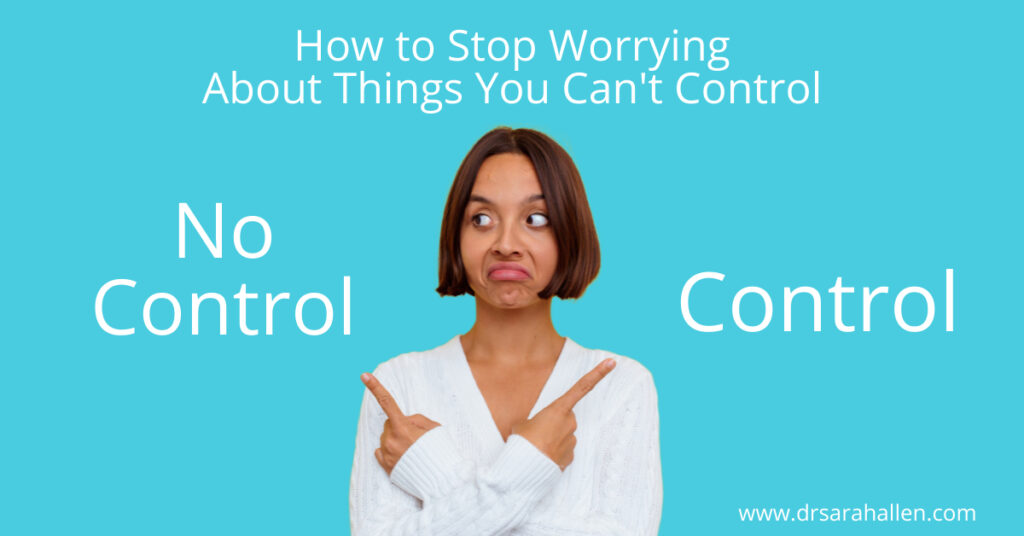
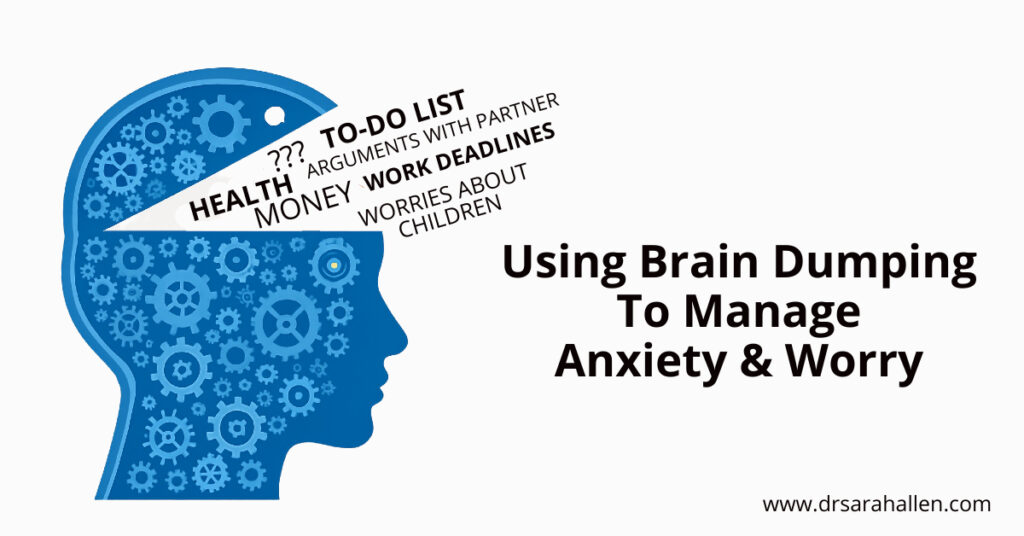
Once you have written out your worries, the next step is to think about whether you can do something about them, or not. I call this Active Worrying (you can make a plan to change) or Useless Worrying (this is for things out of your control or in the past). Read How to Stop Worrying About Things You Can’t Control for how to do this.
5. Slow Down Your Body to Quiet Your Mind
With anxiety, the body often stays revved up and it is easy for the pressure to build. Slowing down physically, even in small ways, can help bring clarity to the mental chatter.
Some clients find comfort in taking a warm bath, using a weighted blanket, or sipping something warm while breathing slowly. Others go for walks or practice mindful movement. These actions are not fixes but gentle signals to the nervous system that it is okay to rest.
One pattern I often see is that when your body feels calmer, your mind becomes less noisy too.
How to Break the Cycle
Breaking rumination starts by recognizing that it is happening. Once you notice the loop, try observing the thoughts without jumping into them. This non-judgmental awareness is one of the most powerful first steps.
Next, ask yourself whether the concern is something you can do something about right now. If the answer is yes, consider brainstorming an action step. This method is often incorporated into our anxiety treatment, allowing my clients to shift from passive worry to productive problem-solving.
If the thought is about something you cannot change at the moment, distraction and distress tolerance are often more useful. That is when earlier strategies like the distraction list or grounding exercises can help.
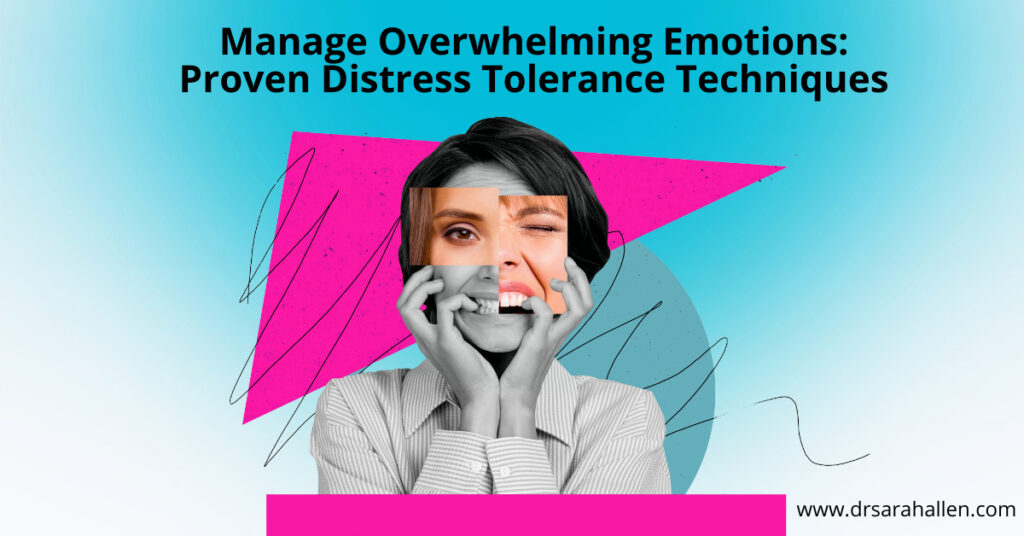
We often busy our mind as a way to distract from our real emotions as they can feel too much and it can seem too scary to allow yourself to address why the emotions are happening. Read Manage Overwhelming Emotions: Proven Distress Tolerance Techniques.
Professional support can be helpful when these thought loops are getting in the way of work, relationships, or daily calm. Sometimes, people need more than self-directed strategies, especially when the patterns are persistent or paired with depression, high anxiety, or postpartum adjustments.
Together We Can Make Progress Toward A Calmer Mind
Ruminating thoughts might not disappear overnight, but they do not have to run the show. I have seen how small, consistent shifts can help clients feel more grounded, even during stressful times.
If any part of this feels familiar, you are not alone. Rumination is something many people deal with, particularly when anxious moods are already running high. Supporting clients in taking those small steps toward more mental quiet is central to my work.
Feeling stuck in thought loops or weighed down by a busy mind is more common than you might think. Many women have shared how overwhelming these patterns can feel, and through Anxiety Counseling, I offer strategies that are simple and supportive so you can reconnect with what matters most to you. Whether motherhood, career pressures, or daily worries are making things feel harder, there are practical ways to find more calm.

Cognitive Behavioral Therapy (CBT) is a well researched and effective treatment for anxiety and it is one of the techniques I utilize in my practice. Read more details Here.

If you haven’t had therapy before and wonder what it might be like to see me for anxiety counseling, I wrote this article for you! Read Common Questions About Anxiety Counseling With Dr. Sarah Allen
For personalized anxiety (or one of the other issues I treat) treatment, contact on the form below. I see clients in my office in Northbrook, a North Shore Chicago suburb, or virtually across IL, FL and the UK.

If you have any questions, or would like to set up an appointment to work with me and learn how to reduce anxiety, please contact me at 847 791-7722 or on the form below.
If you would like to read more about me and my areas of specialty, please visit Dr. Sarah Allen Bio.
Dr. Allen’s professional licenses only allows her to work with clients who live in IL, FL & the UK and unfortunately does not allow her to give personalized advice via email to people who are not her clients.
Dr. Allen sees clients in person in her Northbrook, IL office or remotely via video or phone.

What Can I Read That Helps Me While I Am Waiting For My First Appointment With Sarah?
Download this free booklet to gain valuable insights and practical strategies for managing anxiety and worrying.




















As featured in