
Women’sCounseling
Specialized Therapy For Women.
Welcome to a space where your voice is heard and your struggles understood.

Key Takeaways
- Dr. Sarah Allen has over 25 years of clinical experience addressing unique emotional and psychological challenges faced by women.
- She provides therapy across the female lifespan, including pregnancy loss, infertility, pregnancy and postpartum mood disorders, perimenopause, menopause, midlife anxiety and depression and PMDD.
- She also specializes in maternal burnout, the emotional load of motherhood, and the stress of parenting at any stage.
- She helps women navigate the emotional side of health conditions that affect them differently than men, including migraines, IBS, chronic pain, ADHD, and breast cancer.
- Her approach is tailored to each woman’s needs, focusing on getting to the root of what is driving how you feel and building practical tools for lasting change.
- Clients can see her in person in Northbrook, IL or virtually across Illinois, Florida, and the UK.
Because some things are easier to carry when you don’t have to carry them alone.
Welcome to my page about counseling that is specifically for women. I am glad you found me! My practice focuses on the emotional and psychological challenges that are unique to women. These challenges may relate to where you are in your reproductive lifespan: PMDD, pregnancy and postpartum mood disorders, pregnancy loss, infertility, perimenopause and menopause. Or you may be navigating health conditions that affect women differently than men: migraines, Irritable Bowel Syndrome (IBS), chronic pain, ADHD or breast cancer.
The emotional burden of hormonal and physical conditions can also have an impact on women’s stress levels, self-confidence as well as affect their eating and weight patterns. They often also affect how you feel about your relationships. Maybe it is tension with a partner who doesn’t fully understand what you’re going through, the stress of difficult family dynamics or friendships that have quietly changed and you feel alone.
Many of the women I work with are physically and emotionally exhausted from managing everyone else’s needs while quietly setting their own needs aside. Women often tell themselves they should be able to handle everything on their own but you don’t have to, that’s what I’m here for. Whatever has brought you here, this is a non-judgemental space where you don’t have to manage how you come across or hold anything back. I am here to help and I have the experience to know how to.
I provide effective specialized counseling for women’s issues such as:
- Premenstrual Dysphoric Disorder (PMDD)
- Pregnancy anxiety &/ or depression
- Postpartum anxiety &/ or depression
- Traumatic labor experience
- Miscarriage/ infant loss
- Infertility
- Perimenopause
- Menopause
- Midlife anxiety and/or depression
- Breast cancer
- Chronic health conditions eg. migraine, IBS, chronic pain
- ADHD in women
- Emotional burnout
- Self esteem, body image and emotional eating
For over 25 years I have helped women look after themselves while developing practical tools to feel back in control. We all need a little support sometimes. You don’t need to go through this alone.
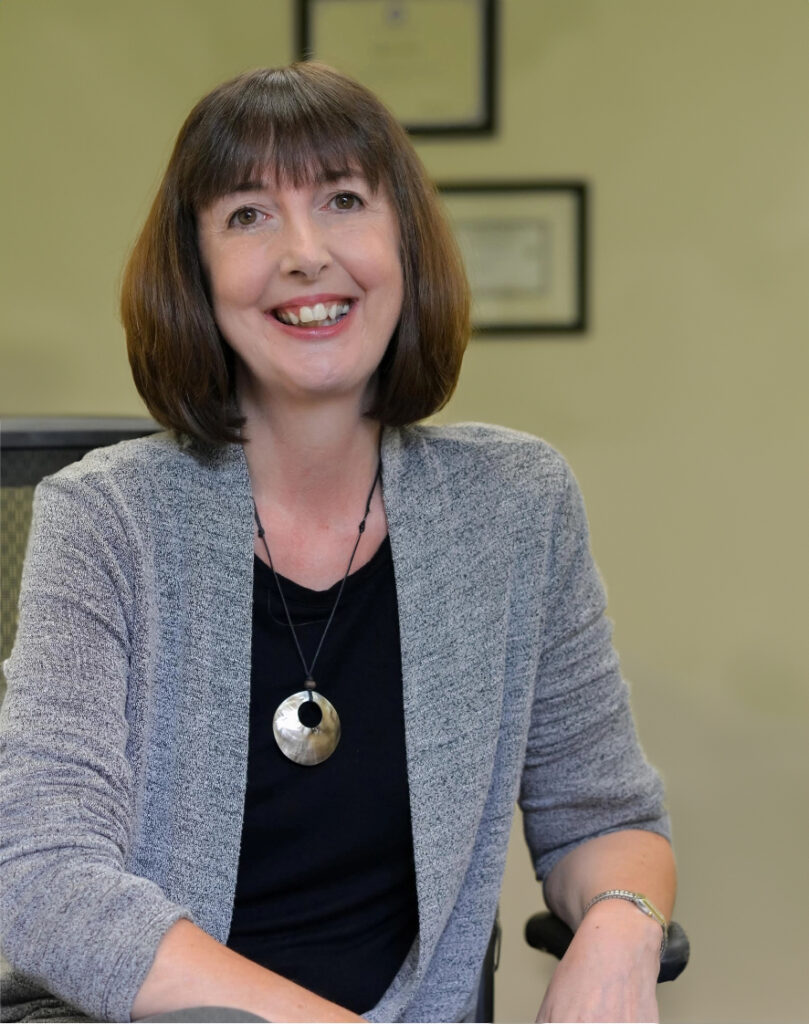
Why Work With Me?
- I have 25 years of clinical experience, seeing clients in person in Northbrook, IL and virtually across Illinois, Florida, and the UK
- I specialize in women’s mental health across the lifespan, from pregnancy through midlife and beyond
- I have been interviewed as a featured expert in many magazines, news paper and TV and online media outlets
- Founding Director of the Postpartum Depression Alliance of Illinois (PPD IL)
- Pioneer researcher in birth trauma and PTSD following childbirth
- I get to the root of what is driving how you are feeling and together we will develop the right tools and skills to help you make real, lasting change.
Here is a little more about each of the areas I specialize in:
Pregnancy and Postpartum Depression and Anxiety
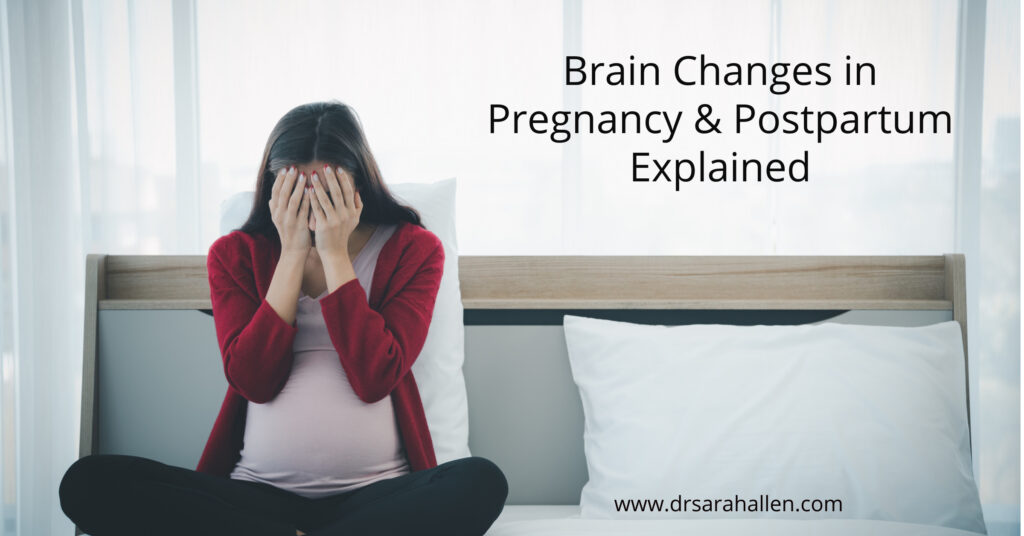
Pregnancy and postpartum mood and anxiety disorders affect between 15 and 20 percent of new mothers, and that’s only the women who report it. Many more are quietly struggling, convinced that what they’re feeling is just part of new motherhood, or if they tell someone how they are struggling it means they’re failing. You are not alone in feeling this way and you are not failing!
Pregnancy and postpartum depression, anxiety, and related conditions are very treatable. I have specialized in perinatal mental health for over 25 years and I am also the founding director of the Postpartum Depression Alliance of Illinois. I understand these conditions in depth and I know how to help you find your way back to yourself and to your baby.
I have many articles about pregnancy and postpartum so visit my Pregnancy & Postpartum Mood Disorders page to read them.
Birth Trauma and PTSD Following Childbirth
Childbirth is one of the most physically and emotionally demanding experiences a woman goes through and sometimes it can be traumatic. An emergency C-section, a baby in the NICU, a labor that felt out of control or frightening: these experiences can leave a lasting mark in ways that look very similar to post-traumatic stress disorder. Flashbacks, hypervigilance, difficulty bonding, and an inability to stop replaying what happened are all recognized responses to a traumatic birth. I was among the first researchers to study PTSD following childbirth, and I bring both clinical expertise and genuine understanding to this work. You are not overreacting. What happened to you mattered, and you deserve to heal from it.
To read more visit When Your Childbirth Experience Wasn’t What You Hoped For and Coping Strategies for Parents with a Baby in the NICU.
Infertility, Pregnancy Loss, and Rainbow Pregnancy Support
The path to motherhood isn’t always straightforward, and when it isn’t, the emotional toll can be profound and isolating. Whether you’re navigating infertility, processing the loss of a pregnancy, or adjusting to being pregnant again after a loss, these feelings are complex and deserve proper care: not minimizing, and not rushing.
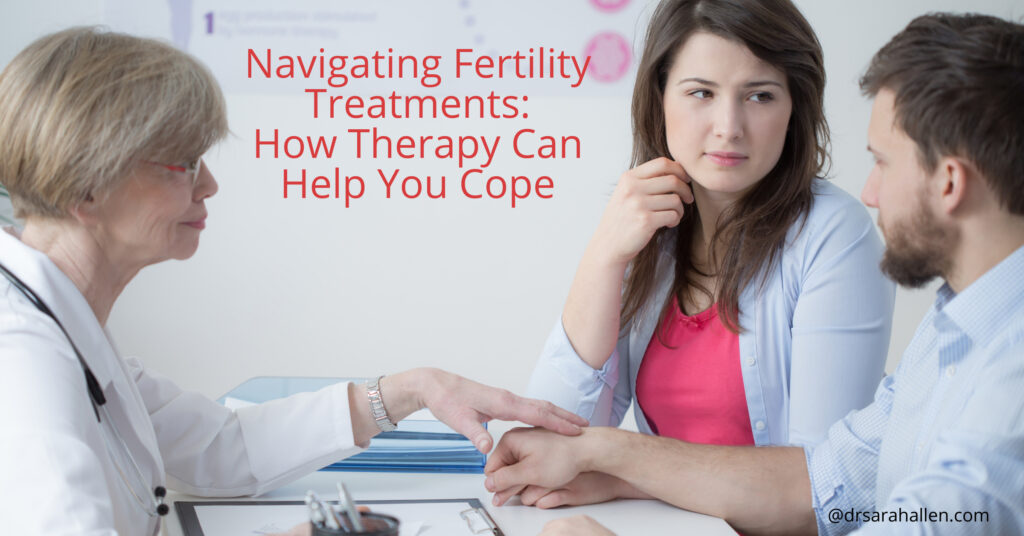
I have many blog posts on these topics including: 6 Tips For Coping After A Miscarriage, Pregnancy After Previous Loss, and Navigating Fertility Treatments.
Premenstrual Dysphoric Disorder (PMDD)
PMDD is more than difficult periods or typical PMS. It is a recognized mood disorder linked to hormonal fluctuations that can cause severe depression, anxiety, irritability, and emotional overwhelm in the days before your period. The symptoms are significant enough to disrupt your relationships, your work, and your daily life. Many women with PMDD spend years being dismissed or misdiagnosed before anyone takes what they are experiencing seriously. If your mood shifts feel cyclical, and you find yourself dreading certain weeks of the month, this is something we can work on together.
To read more visit Exploring PMDD vs PMS: Understanding Symptoms and the Benefits of Therapy.
Perimenopause and Menopause Counseling
Perimenopause and menopause involve significant hormonal changes that can directly affect mood, sleep, anxiety levels, and cognitive function. These are neurological and physiological events but many women find that they experience emotional symptoms too, including depression, anxiety, irritability, and a loss of sense of self. Therapy is an effective and evidence-supported tool for managing these symptoms alongside any medical treatment you’re receiving. Therapy can help you make sense of what is happening, develop practical tools for managing stress, mood and anxiety, and find your way back to feeling like yourself again.
Learn more about mental health during this stage of life:
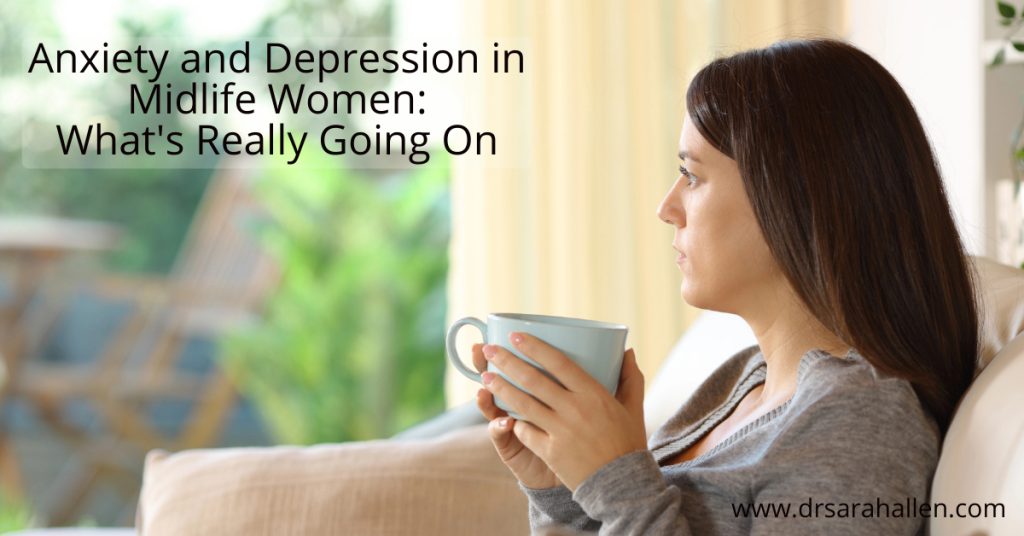
Midlife Anxiety & Depression: When Hormonal Changes Affect Mental Health – Learn why anxiety and depression often emerge or worsen during perimenopause and menopause, the role hormones play, and when therapy can help.
Navigating the Change: 5 Ways Counseling for Menopause Works – Discover practical ways therapy can help you cope with mood changes, anxiety, sleep difficulties, and the emotional impact of this stage of life.
Breast Cancer: Diagnosis, Treatment, and Life After
A breast cancer diagnosis changes everything: how you see your body, your future, and yourself. Fear of recurrence, changes to body image, and the strange disorientation of trying to return to normal life after treatment all deserve proper support. I provide counseling at every stage, from a new diagnosis through survivorship, and I approach this area with both clinical expertise and personal care.
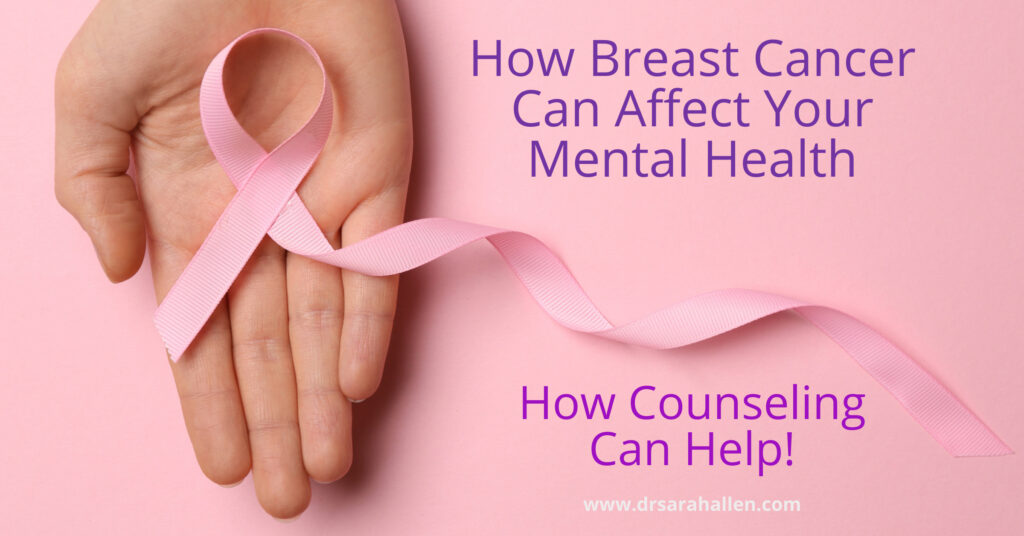
To read more visit How Breast Cancer Can Affect Your Mental Health & How Counseling Can Help!
The Emotional Load of Motherhood and Maternal Burnout
There is a particular kind of exhaustion that comes with being a mother, one that goes beyond a full schedule. It’s the mental load of tracking everyone’s needs, the guilt of feeling like you’re still not doing enough, and the performance of holding it together when you’re running on empty. Maternal burnout is real, and therapy is a practical investment in your capacity to be present for the life you’re living.
I have many articles on this topic, this is one of my most read posts Reclaiming Your Sense of Identity When You’re A Mom.
ADHD When You Are a Mother
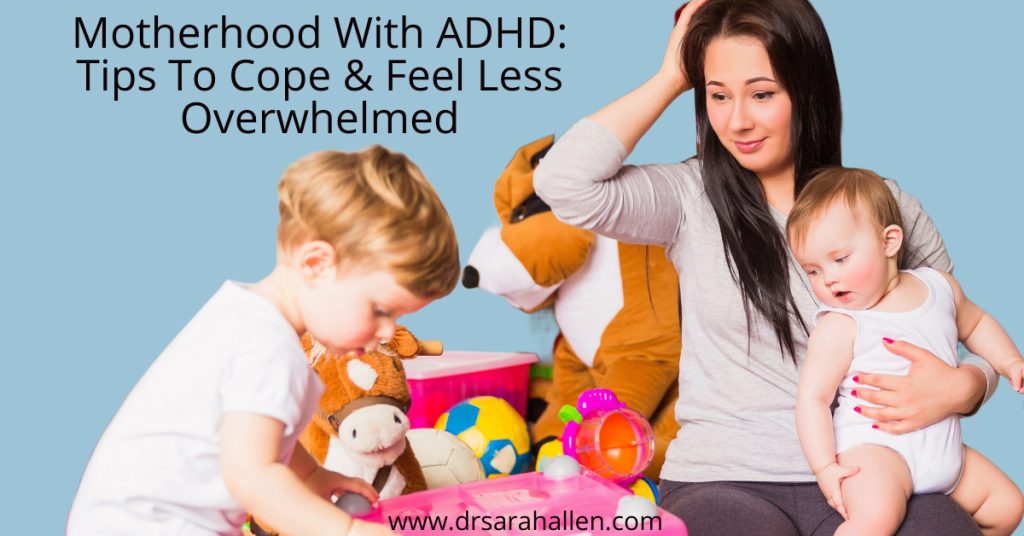
ADHD in women is underdiagnosed and significantly harder to manage when you’re also responsible for a household and children. Many women are diagnosed later in life, often after a child receives their own diagnosis, and spend years wondering why everything feels so much harder for them than it seems to for everyone else. I work with mothers with ADHD to develop practical strategies and be less frustrated and less critical of themselves.
To read more visit Motherhood With ADHD: Tips to Cope and Feel Less Overwhelmed.
When Physical Health Affects Your Mental Health
Women are disproportionately affected by chronic health conditions, including migraines, fibromyalgia, IBS and autoimmune diseases, that are frequently dismissed or undertreated. Living with chronic pain takes a significant psychological toll on your identity, your relationships, and your quality of life. I work with women to address the emotional impact of physical illness alongside their medical care.
Here are some articles on this topic: Chronic Pain, Migraines, Irritable Bowel Syndrome,
Body Image, Self-Esteem, and Your Relationship With Food
The relationship many women have with their bodies is complicated and shaped by years of cultural messaging, personal history, and the particular cruelty of learning to see yourself through other people’s eyes. Poor body image and low self-esteem don’t only cause distress on their own; they’re often intertwined with anxiety, depression, and disordered eating in ways that reinforce each other. I work with women to understand where these patterns came from, challenge the self-critical beliefs that sustain them, and build a more grounded and compassionate relationship with themselves.
I have many articles on these topics including: Emotional Eating, Body Image and Self-Esteem.
Relationships, Family Dynamics, and the Stress They Carry
Women often come to therapy talking about how they feel anxious, exhausted, or angry and we quickly discover that a relationship is at the center of it. A partner who doesn’t listen, a dynamic with a parent or sibling, children who are struggling, friendships that have become one-sided. Therapy gives you a space to understand the patterns that keep showing up in your relationships, communicate more effectively, and feel less alone in navigating them.
What Does Women’s Counseling Look Like With Dr. Allen?
Sessions typically begin with understanding your specific circumstances: what’s happening now, what has happened before, and how you’re hoping to feel differently. Many of the women I work with find that their relationships whether with their partner, their children, their parents, or their friends, are both a source of support and a significant source of stress. We often explore these dynamics together as part of understanding the full picture of what you’re experiencing.
My approach is always guided by what you’re bringing to the room. I draw from a range of evidence-based therapies, including Cognitive Behavioral Therapy (CBT) and trauma-based therapy, and adapt as your needs evolve. Most women notice a meaningful shift within the first several sessions, though the pace is always determined by you.
Sessions are available in person at my Northbrook, IL office, or virtually throughout Illinois, Florida, and the UK.
If you are experiencing any of these issues, I can help!
Here Are Some Concerns You May Have About Getting Help
I already feel like I don’t have enough hours in the day. I just don’t see how I could fit therapy in.
When you are already running on empty, adding one more thing feels impossible. But therapy isn’t one more thing to manage, it’s what helps you manage everything else. Many of the women I work with tell me that the time they spend in session each week is the only time that is entirely theirs. You don’t need to stay stuck in how you are feeling right now. Taking this time for yourself often has a positive ripple effect on everyone around you too.
I’m not sure what to expect. I’ve never had therapy before.
There is nothing daunting about meeting with me. At your own pace, you can tell me what has been going on and together we will get to the source of what you are dealing with and work out the best way forward. We will talk a little about the past so we understand how you got to where you are now, but our focus will be on the present and on helping you develop practical tools to feel better. I want you to leave each session feeling that it was time well spent.
I’d like to get help but I’m not sure I can afford therapy without insurance coverage.
I am a self-pay practice, which means I do not bill insurance directly. Many clients find that their insurance plan includes out-of-network benefits that reimburse a portion of therapy fees — it is worth a quick call to your insurance company to find out what you are entitled to. On my Fees & FAQs page you will find a list of specific questions to ask them.
It is also worth remembering that effective therapy has a beginning and an end and is not a commitment that goes on forever. Because I have a lot of experience I am able to get to the root of what is driving your difficulties efficiently. Many of my clients find that focused, effective therapy is more cost-effective, both financially and emotionally, than years of managing issues that never fully improve. I am happy to talk with you about your situation before you make any commitment, and most of my new clients see me weekly, though some come every other week to make therapy more affordable. I am here to help you find a way to feel better.
Frequently Asked Questions About Women’s Counseling
A: Women’s counseling is therapy provided by a specialist who understands the psychological, hormonal, physical and social experiences that are specific to women. While general therapy addresses a wide range of concerns, a women’s specialist brings focused expertise in areas such as pregnancy and postpartum mental health, perimenopause and menopause, pregnancy loss, infertility, maternal burnout, and the particular pressures that come with the roles women hold. Dr. Allen has 25 years of experience working with women and all of these issues.
A: No. Many of the women I work with don’t have a formal diagnosis and aren’t sure whether what they’re experiencing “qualifies” as a mental health issue. If something is making your life harder; your mood, your relationships, a life transition, a loss, that’s enough of a reason to reach out. You don’t need to be in crisis to deserve support.
A: You’re not alone, many women come to therapy feeling overwhelmed by several challenges at the same time. These experiences often overlap and influence each other. We’ll work together to prioritize what feels most important to you and tailor our work to what matters most to you.
A: Therapy looks different for everyone. Some women come in for short-term support around a specific challenge, while others choose longer-term therapy to explore deeper patterns and create lasting change. Early on, we often focus on helping you manage what feels most urgent. Over time, we can begin to explore underlying patterns, beliefs, and the factors contributing to how you’re feeling. You’re always in control of how long you continue, and you’re welcome to return for support at any point in the future.
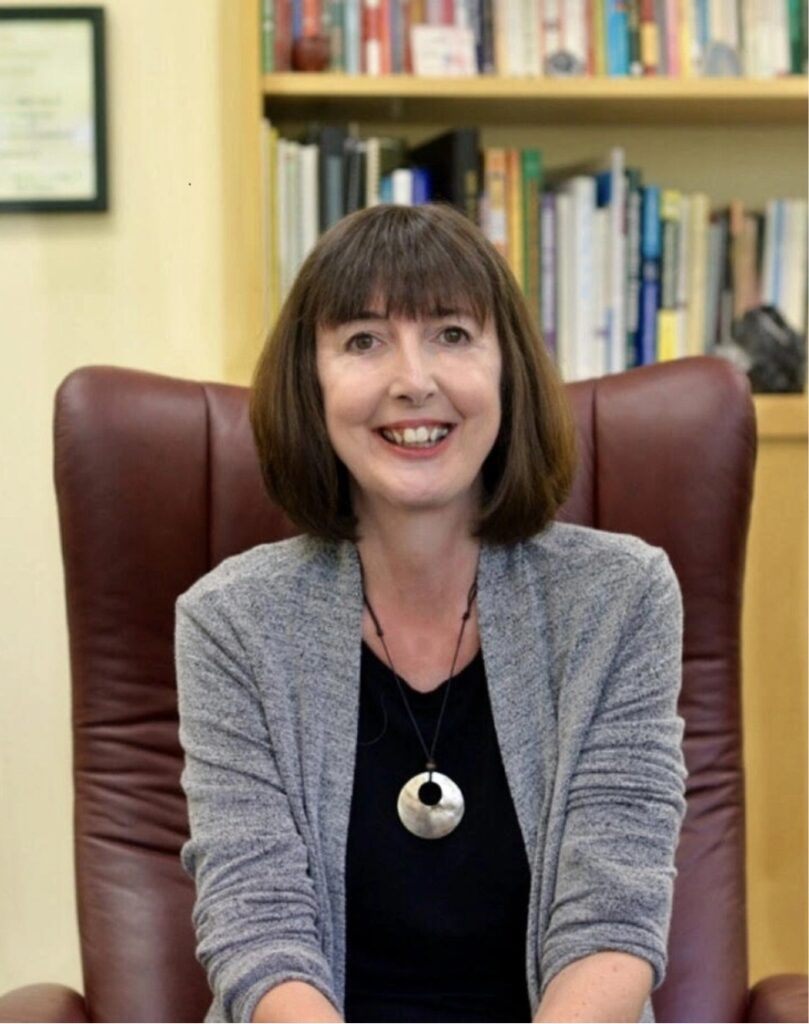
I specialize in empowering women to live the life they want. If you would like to work with me, please phone me at 847 791-7722 or on the form below.
If you would like to read more about me and my areas of specialty, please visit Dr. Sarah Allen Bio. Dr. Allen’s professional license only allows her to work with clients who live in IL & FL & the UK and unfortunately does not allow her to give personalized advice via email to people who are not her clients.
Dr. Allen sees clients in person in her Northbrook, IL office or remotely via video or phone.

What Can I Read That Helps Me While I Am Waiting For My First Appointment With Sarah?
I have written five other booklets that you might find interesting: Simple Steps To Overcome Depression, Simple Steps To Overcome Emotional Eating, Guide To Pregnancy & Postpartum Issues, Simple Steps To Overcome Anxiety, and How To Stop Arguing With Your Child.
See each specific webpage to download one or many.




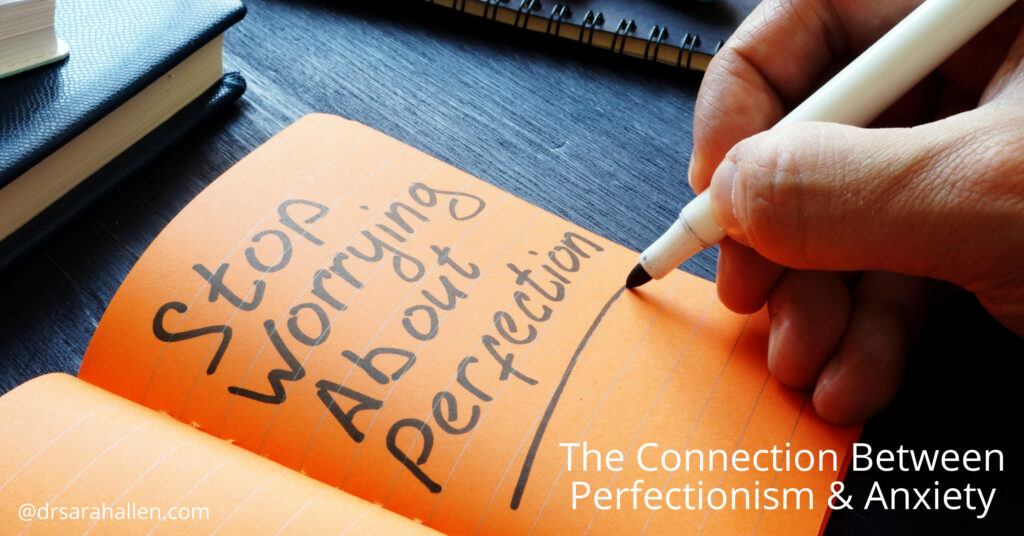













As featured in








If you are thinking about getting counseling and you’d like to talk to someone about the things that are troubling you, I am happy to help.