
Key Takeaways
- Perimenopause hormone swings can drive anxiety, poor sleep, and stronger cravings for sugar and refined carbs.
- Anxiety and emotional eating often feed each other in a loop: anxiety rises, eating soothes it briefly, then guilt sets in and anxiety returns.
- Women may benefit from therapy that focuses on emotional eating, anxiety management, and healthy coping strategies.
- Practical tips are a good starting point and include checking hunger levels, grounding exercises, and maintaining regular meal patterns.
- Emotional eating therapy combines CBT strategies with mindful eating skills to help you find relief that does not depend on food.
When Hormones Shift: The Emotional Eating Connection
Perimenopause emotional eating is more common than you may realize. Perimenopause is the stretch of time before your periods fully stop. Hormones like estrogen and progesterone start to rise and fall in unpredictable ways. That shift can change how you feel in your body, how you sleep, how you handle stress, but today I am going to talk about how perimenopause and changes in hormones can affect how you relate to food.
If you are reaching for snacks when you are not hungry, eating to numb feelings, or feeling out of control around certain foods, this is not a willpower problem. It is a brain and body response that can be understood and treated. In this article, I will explain what is happening with hormones, how that connects to anxiety and emotional eating, and what can help, including how emotional eating therapy works.
How Perimenopause Hormones Affect Mood and Cravings
Estrogen and progesterone do much more than control your period. They also interact with brain chemicals that affect mood, sleep, and appetite. When estrogen swings up and down, it can disrupt serotonin, which helps with mood stability, and can change how your brain reacts to stress. Shifts in progesterone can affect GABA, a calming brain chemical, so it may feel harder to relax.
Common perimenopause symptoms that feed into mood and eating changes include:
- Trouble falling or staying asleep
- Night sweats or hot flashes
- Fatigue and low energy
- Brain fog and forgetfulness
When you are exhausted or overheated, your ability to cope goes down. Tasks feel harder. Small frustrations feel huge. Food can start to feel like the easiest comfort or reward you have access to.
Many women also notice:
- Stronger cravings for sugar and refined carbs
- Feeling “hangry” or shaky between meals
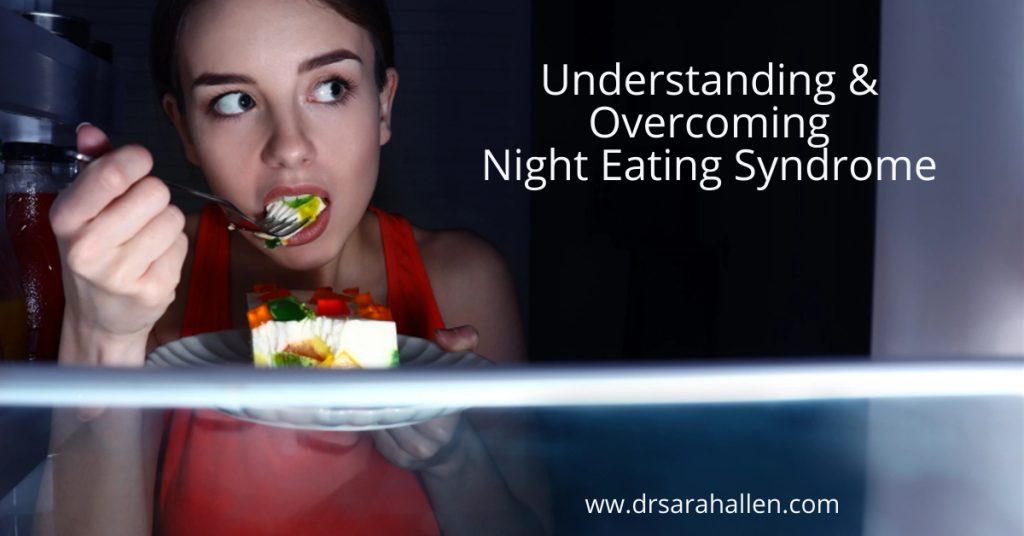
- Eating at night to try to unwind or as a reward for getting through the day
Hormone swings, poor sleep, and blood sugar ups and downs all play a role. Your body may be asking for quick energy, and your brain has learned that certain foods bring fast relief. These changes are biologically driven and are not a sign that you are failing at self-control.
The Perimenopause Anxiety Food Loop
Perimenopause-related anxiety can look different from earlier in life. It may show up as racing thoughts, a sense of dread, irritability, or a constant “on edge” feeling. Many women notice more worry about their health, aging, work, kids leaving home, or shifting relationships.
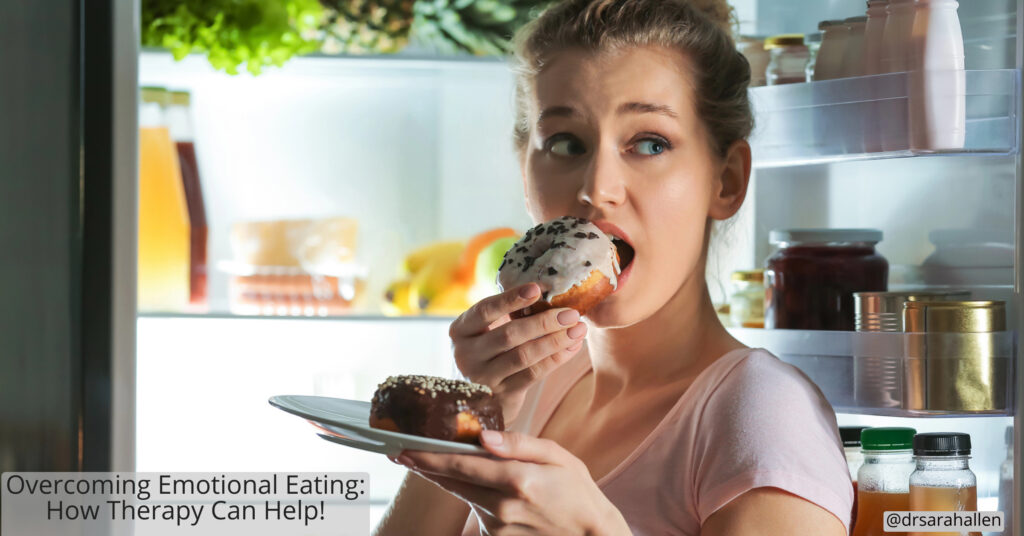
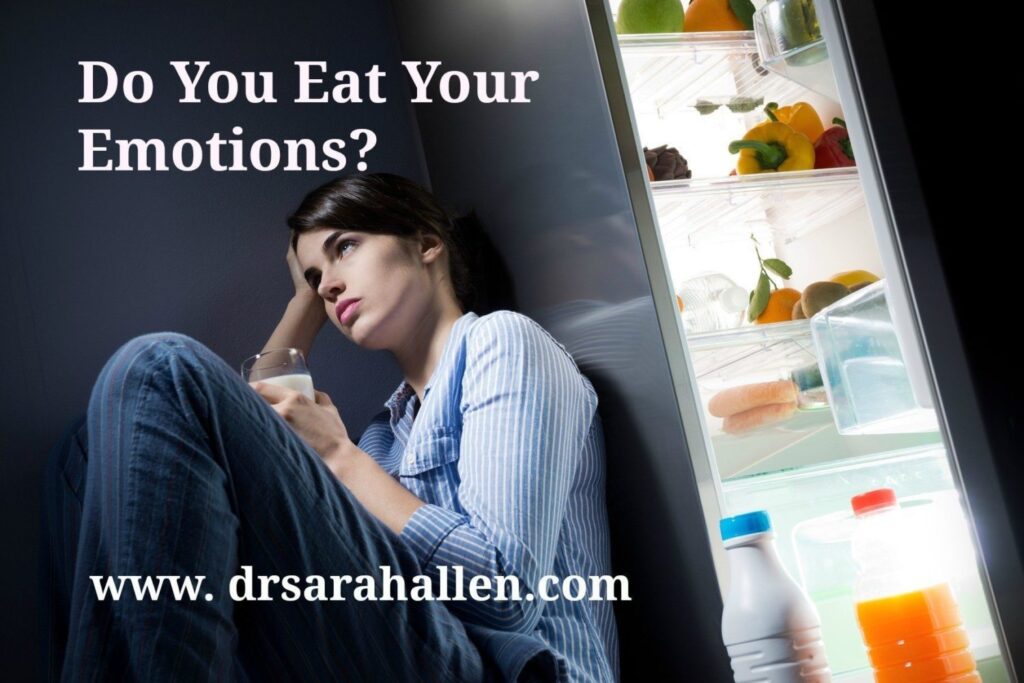
When anxiety spikes, it is very common to reach for food to self-soothe. Food is legal, easy to get, and socially accepted.
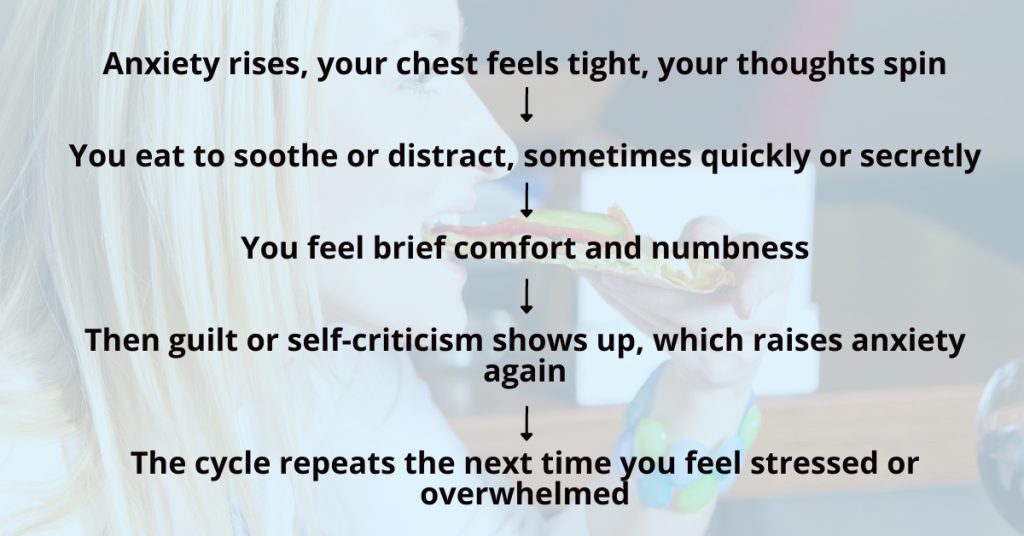
The Anxiety Food Loop pattern can look like this:
Warning signs include:
- Eating large amounts of food in a short time while feeling out of control
- Hiding food or feeling deeply ashamed about how much you eat
- Thinking about food and weight most of the day
- Using extreme dieting, fasting, or purging to “make up for” eating
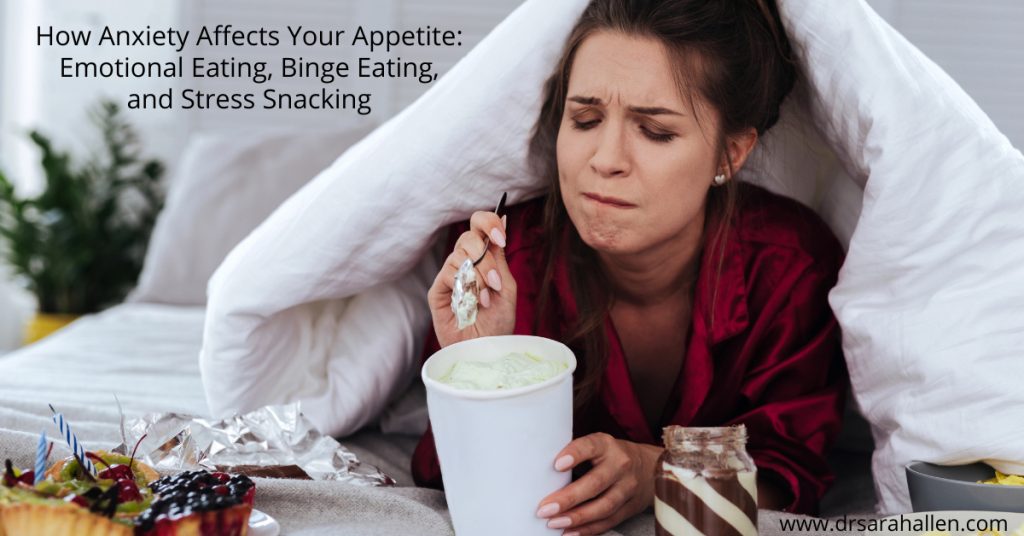
For more about the connection between anxiety and emotional eating read How Anxiety Affects Your Appetite: Emotional Eating, Binge Eating, and Stress Snacking Explained.
In emotional eating therapy, I look at both the anxious thoughts and the habits around food. The focus is not on strict dieting or willpower. Instead, we work on new coping tools so food is no longer the main way to get relief.
Understanding Emotional Eating Without Blame
Emotional eating means using food mainly to manage feelings rather than hunger.
That can look like:
- Eating when you are not physically hungry
- Continuing to eat past the point of comfort
- Zoning out with food, barely tasting it
- Feeling panicked or desperate if you cannot eat when stressed
In midlife, common emotional triggers include feeling unappreciated, carrying heavy caregiving duties, work pressure, changes in long-term relationships, or feeling lonely even around other people. Body image can also shift as hormones change weight distribution, which can stir up shame or frustration. I offer therapy tailored to women’s experiences rather than cookie-cutter therapy techniques.
Diet culture makes this harder. Years of dieting can teach you that your worth is tied to your weight or what you ate that day. When you slip from a plan, you may feel like you failed, which can actually drive more secret or compulsive eating.
In emotional eating therapy, I help people:
- Notice patterns between feelings, thoughts, and eating
- Separate food choices from moral judgment
- Understand how past dieting affects current behavior
- Build kinder, more realistic self-talk
The goal is to see emotional eating as a coping strategy you learned, not as a personal flaw.
Practical Strategies to Calm Cravings and Anxiety
While therapy offers deeper support, there are simple tools you can start to practice.
To calm anxiety in the moment try:
- Slowing your breathing, for example, exhale slightly longer than you inhale
- Grounding with your senses, notice 5 things you see, 4 you feel, 3 you hear, 2 you smell, 1 you taste
- Taking a short “reset” break away from your phone, even for a few minutes
Before eating, especially when you suspect it might be emotional eating.
Try a brief pause:
- Check your hunger on a 0 to 10 scale
- Notice what emotion is strongest right now
- Ask, “What am I actually needing, comfort, rest, connection, distraction?”
You still might decide to eat, and that is okay. The pause helps you make a more aware choice instead of going on autopilot.
Having structure around your meals can also help reduce the physical intensity of cravings.
Many women do better with:
- Eating regularly instead of skipping meals
- Including protein and fiber at meals to support steady blood sugar
- Having planned snacks so you are not overly hungry
After emotional eating, harsh self-talk tends to make things worse. A self-compassionate response might sound like, “I was really overwhelmed, and food felt like the only option I had. I do not like how I feel, but I am learning. What might help me next time?” This mindset lowers shame and opens space for change.
Building a Support Team for Midlife Hormones and Food
You do not have to handle perimenopause alone. Many women benefit from checking in with a primary care doctor or gynecologist about symptoms. They can help you understand whether what you are feeling fits with perimenopause, discuss hormone or non-hormone options, and rule out thyroid or other medical issues that can mimic mood and energy changes.
Therapy can be an important part of your support system.
I work with women on:
- Anxiety and mood swings tied to hormonal shifts
- Emotional eating and binge patterns
- Relationship stress and role changes in midlife
- Body image concerns and long histories of dieting
Emotional eating therapy often includes cognitive behavioral strategies to shift unhelpful thoughts, acceptance-based tools to handle difficult feelings, and mindful eating skills so you can tune back in to your body’s signals. Because I also specialize in women’s mood issues across the reproductive lifespan, we can look at how perinatal or earlier hormone-related mood changes connect to what you are feeling now.
It is very common to look “high-functioning” from the outside but feel chaotic or ashamed around food on the inside. That is a valid reason to seek support. You do not need to hit rock bottom to deserve help.
A Healthier Relationship With Food Is Possible
Perimenopause can turn up the volume on anxiety, cravings, and emotional eating, but these changes are understandable and treatable. Hormones, sleep disruption, stress, and old dieting rules all play a role in how you feel around food.
If you want to start small, choose one idea from this article to practice. Maybe it is a 30 second pause before you eat, a simple breathing exercise when anxiety spikes, or adding a steady breakfast instead of skipping it. Progress comes from gentle, consistent steps, not perfection.
It may be time to get professional support if emotional eating feels out of control, if anxiety is interfering with work or relationships, or if your mood stays low or irritable most days. This can include perinatal mood symptoms that never fully resolved, as well as new perimenopausal mood changes. I offer therapy for emotional eating and support for women’s issues both in-person and virtually. I help women understand what their minds and bodies are doing and find calmer ways to cope so food does not have to carry so much importance.
Take The First Step Toward a Healthier Relationship With Food
If you are ready to stop feeling out of control around food and emotions, my emotional eating therapy can help you build lasting change.
I work with you to understand your triggers, calm your nervous system, and create practical coping tools that fit your real life. Reach out today through my contact page or on the form below to schedule a consultation and find out how I can support your next steps.

I specialize in empowering you to have the relationship with food that you want, rather than weight and food issues controlling you. If you have any questions, or would like to set up an appointment to work with me, please contact me at 847 791-7722 or on the form below.
If you would like to read more about me and my areas of specialty, please visit Dr. Sarah Allen Bio. Dr. Allen’s professional license only allow her to work with clients who live in IL, FL & the UK and unfortunately does not allow her to give personalized advice via email to people who are not her clients.
Dr. Allen sees clients in person in her Northbrook, IL office or remotely via video or phone.

What Can I Read That Helps Me While I Am Waiting For My First Appointment With Sarah?
Sign up for the Emotional Eating booklet.
Download this free booklet to gain valuable insights and learn practical strategies for managing your relationship with food.



As featured in