
When “Double Joy” Also Means Double Pressure
Having twins can feel like a huge joy and a huge shock at the same time. From the first time you saw two heartbeats on the ultrasound to you may feel grateful and excited, and also overwhelmed, anxious, or even resentful some days. That mix does not mean you are ungrateful or a bad mom; it means you are human and having twins, or triplets, can be a lot. I know as I am a mom of twins too!
In this post I will cover:
- Why having twins can raise your risk of experiencing pregnancy or postpartum anxiety, depression, OCD and trauma.
- Risk factors, and warning signs to watch for.
- Helpful strategies to try by yourself.
- When to reach out for professional help from a maternal mental health specialist.
- Insight into what your first appointment and therapy with Dr. Sarah Allen will look like.
Pregnancy and postpartum depression is more than being tired or weepy. It often looks like persistent sadness, emptiness, hopelessness, or irritability, along with changes in sleep and appetite, loss of interest in things you used to enjoy, and feeling disconnected from your babies or yourself. Pregnancy and postpartum anxiety often shows up as constant worrying that will not shut off, racing thoughts, physical tension, restlessness, and sometimes intrusive thoughts about something terrible happening.
With twins, it can be hard to tell what is “normal” adjustment and what is a mood or anxiety disorder. You may assume anyone would feel this stressed. That is why it is so important to understand that moms of multiples are at higher risk because they are dealing with more strain in every direction. Read on to find out why twins increase the risk of their mom getting anxiety or depression, what recent research is finding, warning signs to watch for, practical ways you can protect your mental health, and how therapy with a maternal mental health specialist, including online postpartum and in person therapy, can help you feel more steady and supported.
Why Having Twins Raises the Risk of Postpartum Anxiety and Depression
Twin pregnancy and twin parenting put extra stress on your body and mind, and that extra load can affect mood in very real ways.
Biological and physical stressors can include:
– More physical strain during pregnancy, with higher chances of complications or medical monitoring
– More C-sections or complicated deliveries, which can be frightening and harder to recover from
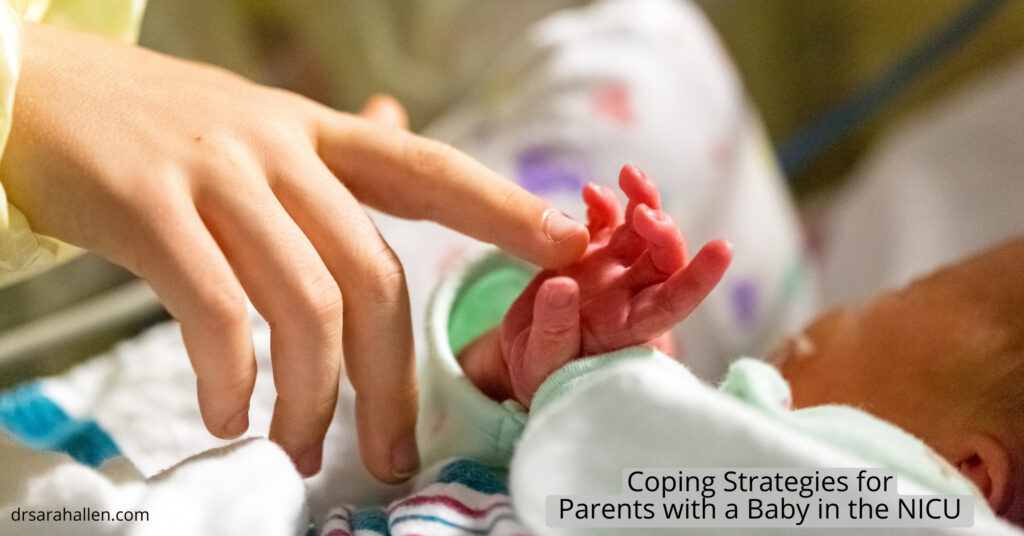
– Greater likelihood that at least one baby spends time in the NICU, which can trigger fear and grief
– Extreme sleep deprivation from feeding and soothing two babies, often on different schedules
Sleep loss alone can increase anxiety and depression risk. When you add in pumping, night wakings, and recovery from birth, your body has very little room to recharge.
Emotionally, moms of twins often feel pressure to keep up with two babies and do everything “right,” guilt about not giving each baby enough one-on-one time, and a sense of losing their identity as everyone focuses on “the twins” rather than seeing you as an individual. Perfectionism can easily get activated here. If one baby cries while you are feeding the other, it can trigger thoughts like, “I am failing both of them.”
Social and practical stressors also pile up:
– Higher costs for baby gear, childcare, and medical bills
– Less flexibility to rest or take breaks, even with a supportive partner
– Friends and family who comment on how “adorable” twins are but miss how draining it can be
When you combine physical exhaustion, emotional pressure, and practical demands, it is understandable that anxiety and depression risk goes up.
Research, Risk Factors, and Warning Signs to Watch For
Research comparing mothers of single babies to mothers of twins and other multiples has found higher rates of postpartum depression and anxiety in the multiple-birth group. Studies continue to show that multiple gestations are associated with higher rates of medical complications and emotional distress in the first postpartum year.
Twin pregnancies are more often linked with:
– Medical complications for mom or baby
– NICU stays or prematurity
– Fertility treatments
– Cesarean births
Each of these factors is known to increase emotional stress and risk of postpartum mood issues.
Some specific risk factors for moms of twins include:
– A personal or family history of anxiety, depression, or past postpartum depression
– Long struggles with infertility followed by the sudden intensity of caring for two newborns
– Preterm birth, health concerns for one or both babies, or a traumatic delivery
– Limited support at home, such as a partner with minimal leave or no nearby family
Knowing these risks can help you plan ahead. If you recognize yourself in these factors, it can be helpful to talk with your OB-GYN, midwife, pediatrician, or with a therapist like myself early, instead of waiting to see if things get “bad enough.”
If you would like more general information about risk factors read Risk Factors For Postpartum Depression & How To Get Support.
What Are The Signs To Look For That You May Have Anxiety Or Depression?
So how do you know if what you are feeling is more than normal stress? Normal adjustment usually includes feeling tired, emotional, and overwhelmed at times, and having some up-and-down days that shift as sleep and support improve? Here is a guide of what signs to look out for that suggest you are experiencing more than typical stress:
Signs of Pregnancy or Postpartum Depression and Anxiety
include:
– Feeling down, empty, or on edge most of the day, nearly every day
– Constant worry that something awful will happen, or that you are not a good mom
– Intrusive thoughts that scare you, such as images of harm coming to your babies
– Feeling numb, detached, or like you are just going through the motions
– Irritability or anger that feels out of proportion, especially at your partner or older children
For Moms of Twins More Specific Red Flags
– Thinking “I cannot do this” or “anyone else would be better than me” almost every day
– Avoiding caring for one or both babies because it feels too overwhelming or unsafe
– Feeling frozen by the logistics, like feedings and naps, and constantly thinking you are letting both babies down
If these symptoms last more than two weeks, seem to be getting worse, or make it hard to function or bond, it is time to take them seriously. If you are having thoughts of running away, disappearing, or hurting yourself, that is an emergency and you deserve immediate crisis or emergency care.
Daily Strategies to Lower Risk and Support Your Mental Health
You cannot control every risk factor, but you can put supports in place that make a real difference. These ideas are not a replacement for treatment, but they can make things more manageable.
Planning Support Before and After Birth Helps
If you can, create a simple postpartum support plan:
– Who can help with nights, even one or two times a week
– Who can bring meals, do a grocery run, or help with laundry
– How your partner can divide baby care and household tasks with you
Ask your medical providers how they screen for mood symptoms, and tell them if you have any of the risk factors above.
Protecting the basics matters:
– Sleep: Think in small chunks, not perfection. Consider shifts with a partner, accepting overnight help, or letting some chores slide so you can nap.
– Food: Keep snacks you can eat with one hand, easy protein options, and low-prep meals available. Eating regularly helps stabilize mood.
– Breaks: Even five minutes outside, a few slow breaths, or a quick stretch can signal your nervous system to come out of high alert.
Simple emotional tools can also help:
– Notice and question perfectionistic thoughts. For example, change “I am failing if one baby cries” to “I am one person, and caring for two at once means someone will sometimes wait; that is okay.” Read more in The Link Between Perfectionism and Anxiety In Motherhood.
– Practice kinder self-talk. Ask yourself, “What would I say to a friend in my situation?” and apply that same tone to yourself.
– If worry spirals at night, try writing down your main worries in bullet points and telling yourself you will come back to them at a set “worry time” the next day. Read more in Journaling for New Moms: Tips for Calming Anxiety & Discover How a Worry Journal Can Help Reduce Your Anxiety.
These steps can ease some of the strain of twin parenting. If you use these strategies consistently and still feel stuck in intense sadness, anxiety, or detachment, that is a sign that it may be time to add professional support.
When to Reach Out for Professional Help
When you are overwhelmed and trying to keep everything together it is easy to put your needs aside and hope that everything will just get better. If you take the time to look after your own needs then you will have a greater capacity to cope with your family’s needs.
You may want to consider meeting with me if:
– Your sadness, emptiness, or anxiety has lasted more than two weeks and is not easing
– You feel disconnected from your babies or from yourself most of the time
– You are avoiding caring for one or both babies because it feels too overwhelming or unsafe
– You are having intrusive thoughts that scare you and you feel too ashamed to talk about them with friends or family
– Daily strategies and support from loved ones are not enough to help you feel more stable
What Does Therapy For Moms of Twins Look Like
Whether you are experiencing anxiety during pregnancy or after having the babies, I can work with you virtually using phone or video sessions or in person in my Northbrook, IL office.
In our first appointment we will discuss:
– Your emotions when discovering you are pregnant with twins
– Pregnancy and birth or NICU experiences and emotions stemming from them
– Any previous experiences of mood disorders
– Your sleep patterns and physical recovery
– Your thoughts and emotions, including any intrusive thoughts or lasting trauma
– The support you do or do not have at home
For Pregnancy or Postpartum Anxiety (PPA) I often use cognitive behavioral strategies.
In simple terms, that means:
– Identifying patterns of worry and catastrophic thinking
– Looking at how those thoughts affect your feelings and actions
– Practicing more balanced, realistic ways of thinking
– Building coping skills for when anxiety spikes, like grounding exercises and planned problem-solving
Read more about therapy for anxiety How To Manage Pregnancy & Postpartum Anxiety With Cognitive Behavioral Therapy (CBT).
With intrusive thoughts, I make it very clear that having a scary thought is not the same as wanting to act on it. We work on responding to those thoughts in ways that reduce fear and shame instead of feeding them.

This post discusses traumatic birth experiences and strategies that can help with healing When Your Childbirth Experience Wasn’t What You Hoped For.
For Pregnancy or Postpartum Depression (PPD) therapy often focuses on:
– Gently rebuilding routines, even in tiny steps, so life feels a little more organized
– Reconnecting with experiences that bring a bit of comfort or interest
– Challenging harsh self-judgments and unrealistic standards of motherhood
– Making space to grieve any losses, like the birth experience you hoped for but did not have
Read more about How Therapy Treats Pregnancy & Postpartum Depression.
As a mother of twins myself, I remember how hard the day-to-day reality can be and I think it is important to address these issues in addition to typical strategies discussed in therapy for moms.
– Validate how hard the logistics really are, instead of giving generic baby tips that do not fit two infants
– Sorting out what is realistically doable with two babies and what is based on unrealistic expectations or social media comparisons
– Working through guilt about bonding, attention, and worries about favoring one twin over the other
– Supporting your sense of self outside the role of “twin mom,” and helping with communication and boundaries in your relationships
A question I am often asked is “Can you have postpartum depression or anxiety when your babies are older than a year?”. The answer is YES, especially if you don’t get treatment. Delayed onset or continuation of PPD and PPA past a year can be influenced by prolonged stress, ongoing lack of sleep, or an overwhelming feeling of responsibility Being aware that these conditions can develop later than the first year and go on well into in to the toddler and pre-school years is important. It is never too late to seek help.
To read more How Long Can Postpartum Depression & Anxiety Last?
Start Getting The Pregnancy and Postpartum Support You Deserve
If you notice that you are barely holding things together or your worry and sadness are not improving, you do not have to manage that alone. As a therapist who has specializes in maternal mental health and the specific challenges of twins can bring, I work with you to create a plan that fits your real life and helps you feel more supported and steady over time.
A lot of my clients like meeting in person but Online postpartum therapy is convenient and can be especially helpful for moms of twins. It can reduce the practical barriers that make getting help feel impossible in the early months, while still giving you consistent support. It is hard to pack up two babies, car seats and diaper bag and I am happy to provide therapy in the way it works best for you.
If you are feeling overwhelmed, anxious, or unlike yourself after having twins, you do not have to work through it alone. With either online postpartum therapy or in person therapy in my Northbrook office, you can get expert help. If you would like to read more about my areas of specialization or the state-wide non-profit I run see my bio Dr. Sarah Allen. If you are ready to take the next step, please contact me on the form below to schedule a time for your first appointment.

Dr. Sarah Allen has 25+ years of experience in private practice helping women to transition to being the mom they want to be. She is the Founding Director of the statewide non-profit Postpartum Depression Alliance of IL. She also specializes in pregnancy loss & infertility & has published research on postpartum depression and traumatic childbirth.
If you would like to work with Sarah, please phone her at 847 791-7722 or on the form below.
If you would like to read more about me and my areas of specialty, please visit Dr. Sarah Allen Bio. Dr. Allen’s professional license only allow her to work with clients who live in IL, FL & the UK and unfortunately does not allow her to give personalized advice via email to people who are not her clients.
Dr. Allen sees clients in person in her Northbrook, IL office or remotely via video or phone.

What Can I Read That Helps Me While I Am Waiting For My First Appointment With Sarah?
If you feel that you may be experiencing pregnancy or postpartum mood disorder, or worry that you may be at risk of developing it, please download my free booklets below.
See each specific webpage to download one or many.










As featured in