
I have found that some people I work with feel anxious, full of adrenaline and tense but struggle to explain why. They describe feeling on edge, having racing thoughts, or noticing emotions that feel stuck. I explain to my clients that when this happens, your nervous system is in fight or flight and operating from a place that does not feel safe even thought there isn’t a current danger.
This is where body regulation becomes important. I help people tune into their physical symptoms to help release stored tension, feel grounded again, and reconnect with what is happening in the present moment. This helps your body understand that it no longer needs to stay on high alert. Below, I explain how our mind and body is connected and emotional distress connects to the nervous system and how regulating your physical symptoms can help support emotional healing when you are experiencing anxiety or trauma.
The Connection Between Emotional Distress and the Nervous System
- Sympathetic Activation: This is the “fight or flight” response, where the body becomes hyper-aroused.
- Parasympathetic Activation: This is the “rest and digest” state, where the body calms down.
- Emotional distress often involves dysregulation, where the nervous system is stuck in hyper-arousal (anxiety, panic) or hypo-arousal (numbness, depression).
The body is designed to respond automatically to perceived danger. It may freeze, fight, or flee. These responses are protective during real threats, and when they do not resolve, the nervous system can remain stuck in survival mode. I often see this with individuals experiencing anxiety. Their minds may feel logical or calm, yet their bodies react as if danger is still present
Signs of nervous system dysregulation show up differently for each person. Some people notice restlessness or difficulty sleeping. Others feel numb or disconnected from themselves. These reactions are signals from the body. In many cases, emotional distress is rooted in a physical state that can’t find relief. Rather than addressing each symptom separately, we will start by focusing on where the nervous system is holding tension. That is often where change begins.
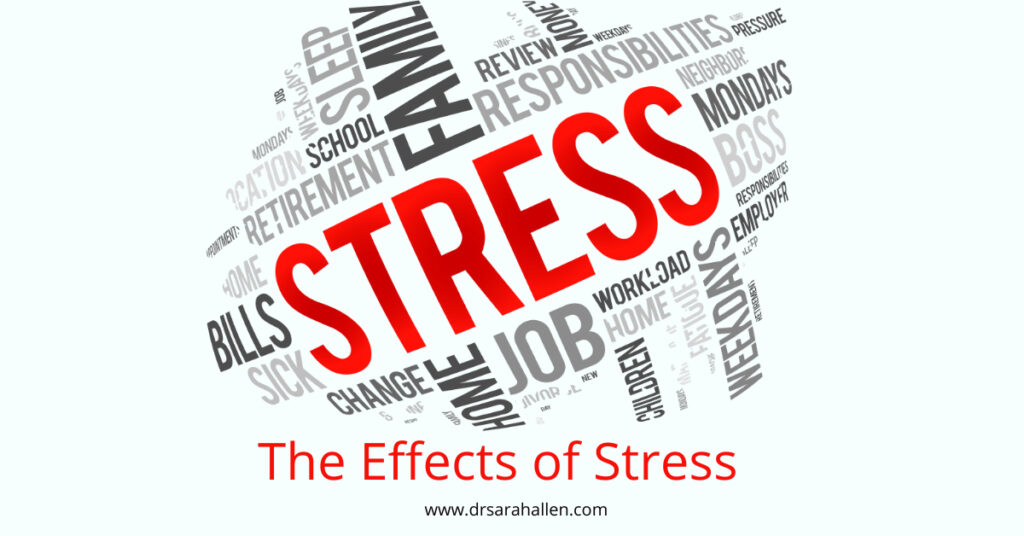
For a more detailed explanation of nervous system dysregulation read The Effects of Stress.
Nervous System Regulation and How Does It Help Anxiety?
If you read my anxiety related articles you will see that I specialize in Cognitive Behavior Therapy (CBT). In very simple terms, CBT helps people identify underlying unhelpful thinking and behavior patterns. We then reframe the negative thought patterns and beliefs in to more helpful ones, reducing anxiety. If you would like to read more about CBT my article CBT for Anxiety: What It Is and How It Works is a great place to start. It is research backed and very effective.
However, cognitive work can be difficult when someone is in a state of fight, flight, or freeze. By using techniques that regulate your nervous system, your thoughts race less and you can engage more effectively in CBT exercises like thought tracking and reframing or exposure therapy.
Combining Bottom-Up and Top-Down Approaches
- Nervous System Regulation (Bottom-Up): Focuses on the body and nervous system first, working from the body’s symptoms “bottom up” to influence emotions and thoughts. It helps release stored anxiety and trauma and regulate physiological responses.
- CBT (Top-Down): Focuses on thoughts and behaviors first, working from the “top down” to influence emotions and physical responses.
- Integration: By combining these approaches, we can address distress from both directions.
In sessions, I may guide you to gently notice physical sensations in your body that you are probably unaware that you are doing. Without attributing meaning or revisiting painful memories we can ask questions like “where are you holding tension?” “Do you feel any adrenaline in your body and how does it manifest e.g. butterflies in your stomach, tense in your neck?” When someone realizes they can breathe more fully or feel their body settle, even briefly, it can make them feel more in control of their body, rather than the sensations in their body controlling them.
When the body experiences safety, thinking about change becomes possible. I often see that when you breathe, muscles relax and it helps you rebuild trust in your body. Small shifts, such as relaxing the jaw or lowering the shoulders, can create noticeable emotional relief. These subtle changes signal that the nervous system is learning it does not need to remain guarded.
How to Tell If Your Nervous System Is Stuck in High Alert
Some signs are easy to miss because they feel familiar. Constant tension, shallow breathing, or ongoing worry may indicate that the nervous system is still in protective mode. I frequently see this pattern in individuals who experienced chronic stress earlier in life. Their bodies learned to stay braced as a form of safety, even long after the stress passed.
While talk therapy can be valuable, it does not always address what is happening physically. I pay close attention not only to words, but also to posture, breathing, and pauses during sessions. When someone relaxes their body, perhaps their shoulders dropping or their breath slowing, it often means the nervous system is beginning to unwind. This stops thoughts from racing and and we can think more clearly.
Calming Your Nervous System Yourself
It is hard to regulate your nervous system by yourself so I want to provide you with some practical tools to practice at home. Find two or three techniques that you like best and start to do them regularly.
1. Visualize Your Safe Place
Your imagination is a powerful tool for shifting your emotional state. Visualization, or guided imagery, involves creating a detailed mental scene that evokes feelings of safety, peace, and relaxation. By picturing a calming environment in your mind, you can activate calming neural pathways that would be happening if you were actually there, prompting your parasympathetic nervous system to take over.
This technique is totally personal to you. Your safe place could be real or imagined; a sun-drenched beach, a quiet forest, or even a cozy room from your childhood. The only requirement is that it makes you feel completely secure and at ease.
How to do it:
- Find a comfortable position, either sitting or lying down, and gently close your eyes.
- Take a few deep breaths to settle into your body.
- Begin to imagine your safe place. Start with a broad image and then fill in the details, engaging all of your senses.
- What do you see? Notice the colors, the light, the shapes around you. Is it day or night?
- What do you hear? Are there gentle waves, rustling leaves, soft music, or peaceful silence?
- What do you feel? Imagine the sensation of a soft blanket, warm sand under your feet, or a gentle breeze on your skin.
- What do you smell? Can you detect the scent of pine trees, salty air, or freshly baked bread?
- Spend a few minutes fully immersing yourself in this environment. Allow the feelings of peace and safety to wash over you.
- Know that you can return to this place in your mind whenever you need a refuge from stress or anxiety. When you’re ready, slowly bring your awareness back to the present moment and open your eyes.
2. Humming, Chanting, or Singing
Have you ever noticed yourself humming a tune when you’re relaxed? There’s a scientific reason for that. The vibrations created by humming, chanting, or singing stimulate the vagus nerve, which runs up the sides of your neck. Activating the vagus nerve is a direct pathway to engaging your “rest-and-digest” system, helping to lower your heart rate and blood pressure.
This exercise is very simple. It doesn’t matter if you can’t carry a tune; the goal is to create a gentle, resonant vibration in your chest and throat. It’s a discreet self-soothing technique you can practice almost anywhere.
How to do it:
- Sit in a comfortable position with your back straight to allow for easy breathing.
- Take a slow, deep breath in through your nose.
- As you exhale slowly through your mouth, make a “hmmm” sound. Try to make the vibration last for the entire exhalation.
- Notice the gentle buzzing sensation in your chest, throat, and head. You can place a hand on your chest to feel the resonance.
- Repeat this for several breath cycles, focusing on the sound and the physical sensation of the vibration.
- You can also try chanting a simple sound like “Om” or quietly singing a favorite song that you find soothing. The key is the sustained vibration on the exhale.
This practice not only calms your nervous system but also brings your focus to your breath and body, grounding you in the present.
3. Gentle Neck Stretches
Tension often accumulates in the neck and shoulders, especially when you feel stressed or anxious. This physical tightness can send signals to your brain that you are in a state of high alert. Releasing this tension through gentle stretching can provide immediate physical and emotional relief. These movements also gently stimulate the vagus nerve, further promoting a sense of calm.
It is important that these stretches are performed slowly and without force. The goal is to relax your muscles, not hurt yourself.
How to do it:
- Sit on a chair with your feet flat on the floor and your spine comfortably straight.
- Ear to Shoulder: Take a deep breath in. As you exhale, slowly and gently tilt your right ear toward your right shoulder. Only go as far as feels comfortable, feeling a light stretch along the left side of your neck. Hold for 3-5 slow breaths. Inhale as you bring your head back to the center, and repeat on the left side.
- Chin to Chest: Inhale deeply. On your exhale, gently lower your chin toward your chest, feeling a stretch along the back of your neck. Avoid rounding your back; keep your spine long. Hold for 3-5 breaths before slowly lifting your head on an inhale.
- Gentle Turn: Inhale, and as you exhale, slowly turn your head to the right, as if looking over your shoulder. Keep the movement smooth and stop when you feel a light stretch. Hold for a few breaths. Inhale as you return to the center, and then repeat on the other side.
By consciously releasing the muscles that tighten due to stress, you send a powerful message to your nervous system that it is safe to let down its guard and relax.
4. Orienting for Safety
Orienting is a for safety is natural instinct. It involves slowly scanning your environment to confirm that you are safe. When you’re anxious, your brain is signaling danger. This exercise helps you consciously show your brain that there is no immediate threat, allowing your nervous system to stand down.
How to do it:
- Sit comfortably in a place where you feel relatively safe.
- Let your head and eyes slowly scan your surroundings. Move your head gently from side to side, looking over your shoulders.
- As you look around, let your eyes land on things that seem neutral or pleasant. It could be a favorite piece of art, a plant, or the light coming through a window.
- Don’t just glance; allow yourself to really see what you are looking at for a few seconds. Notice colors, shapes, and textures.
- After scanning your environment, bring your awareness back to your body. Notice if you feel any shifts—perhaps your breathing has slowed, or your shoulders have dropped slightly.
This simple act of looking around can be incredibly settling. It communicates safety to the deepest parts of your brain responsible for the fight-or-flight response.
5. Progressive Muscle Relaxation (PMR)
Anxiety often causes physical tension. You might clench your jaw, tighten your shoulders, or curl your fists without even realizing it. Progressive Muscle Relaxation (PMR) is a practice that involves tensing and then releasing different muscle groups, helping you become more aware of physical tension and letting it go. I find it useful to do before going to sleep at night or if you wake up in the middle of the night.
How to do it:
- Find a quiet place where you can sit or lie down comfortably.
- Start with your feet. Squeeze the muscles in your feet and toes as tightly as you can for about five seconds. Focus on the feeling of tension.
- Release the tension completely and notice the difference. Feel the warmth and heaviness of relaxation spread through your feet for about 10-15 seconds.
- Move up to your lower legs. Tense your calf muscles, hold, and then release. Pay attention to the sensation of letting go.
- Continue this pattern, moving progressively up your body: thighs, abdomen, chest, back, arms, hands, neck, and finally, your face.
- When you reach your face, you can scrunch your forehead, eyes, and jaw, hold the tension, and then release it fully.
Progressive Muscle Relaxation (PMR) helps you recognize the contrast between tension and relaxation, giving you a powerful tool to release physical stress before it builds up. It is also one of the breathing techniques I discuss in my article below about deep breathing techniques. Recognizing when our breathing feels shallow or our muscles are tense can be an early signal that the nervous system is starting to dysregulate. These practices are not meant to fix everything, but they build awareness and remind the body that stress is not the only option.
For an explanation on deep breathing works as well as some more techniques read How Deep Breathing Helps Combat Anxiety.
Similar to breathing techniques, grounding can calm your body quickly. For more information about what grounding is as well as a few strategies to try read 7 Simple Grounding Techniques For Calming Down Quickly.
What Happens When the Body Starts to Feel Safe Again
As the nervous system settles, feelings become easier to identify and manage. Many people find that their physical reactions start to match the present moment instead of old experiences or worries about the future.
Being able to respond clearly rather than react is a sign of nervous system balance. You may be feeling overwhelmed but by following these strategies you may noticed a sense of calm returning, or you may feel able to tackle difficult memories or emotions, knowing you can bring yourself back to the present more easily. These changes may appear subtle, but they enable you to think about the changes you want to make in your life and utilize talk therapy.
Restoring A Sense Of Calm
The mind often tries to solve emotional distress through thinking. I utilize a very effective talk therapy technique called Cognitive Behavior Therapy (CBT), which is involves recognizing our unhelpful thoughts and behaviors. But the body usually needs to feel safety first before change is possible. This process takes time, and that is okay. Healing involves practicing regulation again and again until the nervous system settles. Over time, the body can release its constant bracing and begin to trust feeling safe in the present moment. Many people are surprised by how much emotional strain their bodies carry, especially when stress becomes habitual.
If you are experiencing stress and are ready for specialized support, take the first step toward lasting change. Discover how anxiety counseling can gently guide you toward feeling more grounded, safe, and in control. Reach out and invest in your well-being today. For personalized anxiety treatment (or one of the other issues I treat), contact Dr. Sarah Allen. I see clients in my office in Northbrook, a North Shore Chicago suburb, or virtually across IL, FL and the UK.

If you have any questions, or would like to set up an appointment to work with me and learn how to reduce anxiety, please contact me at 847 791-7722 or on the form below.
If you would like to read more about me and my areas of specialty, please visit Dr. Sarah Allen Bio.
Dr. Allen’s professional licenses only allows her to work with clients who live in IL, FL & the UK and unfortunately does not allow her to give personalized advice via email to people who are not her clients.
Dr. Allen sees clients in person in her Northbrook, IL office or remotely via video or phone.

What Can I Read That Helps Me While I Am Waiting For My First Appointment With Sarah?
Download this free booklet to gain valuable insights and practical strategies for managing anxiety and worrying.







As featured in