
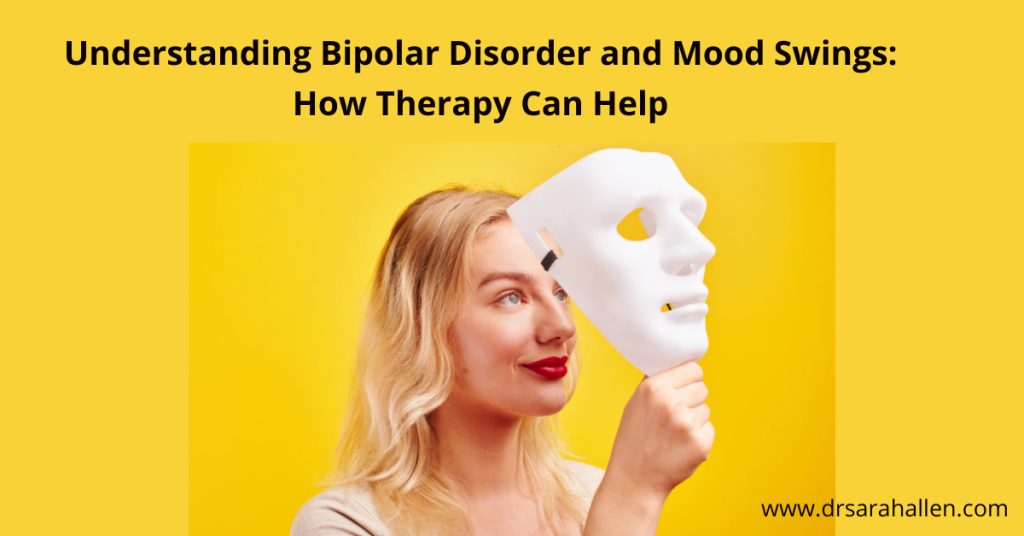
When a psychiatrist diagnoses someone with bipolar disorder they may feel confused, overwhelmed, or sometimes even scared. The truth is, there is a lot of misunderstanding about what a bipolar diagnosis actually means and how it can affect daily life. I have found that talking about bipolar disorder openly helps ease fear and allows me to help you better understand your symptoms, behavior and diagnosis that may not have made sense to you at first.
Our therapy becomes a space to sort through the emotional and behavioral aspects of bipolar, how it affects you and possibly your loved ones too. We will explore your day to day experiences and begin to create a plan that supports you moving forward in a way that compliments the medication you are taking.
Understanding Bipolar Disorder and Its Diagnostic Symptoms
Bipolar disorder is a mood disorder characterized by distinct periods of elevated mood (mania or hypomania) and depressive episodes. Through my years of practice, I’ve learned that understanding the diagnostic criteria helps clients make sense of their experiences.
Core Diagnostic Symptoms All Types Of Bipolar Share:
Manic/Hypomanic Symptoms:
- Abnormally elevated, expansive, or irritable mood
- Increased energy and goal-directed activity
- Decreased need for sleep (feeling rested after only 2-3 hours)
- Grandiosity or inflated self-esteem
- More talkative than usual or pressure to keep talking
- Racing thoughts or flight of ideas
- Distractibility
- Increased risky behavior (spending sprees, sexual indiscretions, poor business investments)
Depressive Symptoms:
- Depressed mood most of the day
- Markedly diminished interest or pleasure in activities
- Significant weight loss or gain
- Insomnia or hypersomnia
- Psychomotor agitation or retardation
- Fatigue or loss of energy
- Feelings of worthlessness or excessive guilt
- Diminished ability to think or concentrate
- Recurrent thoughts of death or suicidal ideation
The Different Types of Bipolar Disorder
Bipolar I Disorder
Bipolar I requires at least one manic episode lasting at least one week (or requiring hospitalization). Here’s what I’ve observed in my practice:
Diagnostic Criteria:
- At least one manic episode that causes significant impairment
- May include psychotic features (hallucinations, delusions, paranoia)
- Depressive episodes are common but not required for diagnosis
- Manic episodes can lead to hospitalization or severe functional impairment
In my experience, clients with Bipolar I often describe their manic episodes as initially feeling wonderful, like they can conquer the world, then things spiral into confusion or risky behavior they later regret.
Bipolar II Disorder
Bipolar II involves a different pattern that I often see misdiagnosed as depression alone:
Diagnostic Criteria:
- At least one hypomanic episode lasting at least 4 days
- At least one major depressive episode
- No full manic episodes (this distinguishes it from Bipolar I)
- Hypomania doesn’t cause severe impairment or include psychosis
- Depression tends to be more prominent and longer-lasting
What I’ve learned is that clients with Bipolar II often seek help during depressive episodes, and the hypomanic periods might go unrecognized because they feel productive rather than problematic.
Cyclothymic Disorder
Cyclothymia presents as a chronic, fluctuating mood disturbance:
Diagnostic Criteria:
- Numerous periods with hypomanic symptoms that don’t meet full criteria
- Numerous periods with depressive symptoms that don’t meet major depression criteria
- Symptoms present for at least 2 years (1 year in children/adolescents)
- No symptom-free period longer than 2 months
- Causes significant distress or impairment
I find that clients with cyclothymia often feel they’re on an emotional roller coaster that never quite stops, though the peaks and valleys aren’t as extreme as other bipolar types.
Postpartum Bipolar Disorder
Postpartum bipolar shares the same core symptoms but manifests after childbirth:
Specific Features:
- Onset within 4 weeks to 1 year postpartum
- Higher risk of psychotic features (hallucinations about the baby, delusions)
- Can present as either manic, hypomanic, or depressive episodes
- May include severe anxiety about the baby’s well-being
- Risk of rapid cycling between mood states
Because postpartum bipolar disorder can include psychotic symptoms early diagnosis is crucial as you may be experiencing postpartum psychosis which needs immediate treatment.
Why Therapy Is Important and Complements Medication
While medication helps stabilize the biological aspects of bipolar disorder, therapy addresses the psychological and behavioral components that medication alone cannot reach. In my practice, I’ve found that therapy provides essential tools that work alongside medication to create comprehensive treatment.
Therapy offers what medication cannot: a space to process emotions, develop coping strategies, and understand triggers. I help clients recognize early warning signs of mood episodes, something pills can’t teach. Through therapy, I guide clients in rebuilding relationships damaged during episodes and addressing the shame or guilt that often follows.
I’ve observed that clients who engage in therapy alongside medication develop insight into their patterns, learn to differentiate between normal emotions and symptom onset, and build practical skills for managing daily life with bipolar disorder.
How CBT Specifically Helps with Bipolar Disorder
Cognitive Behavioral Therapy (CBT) has become one of my primary approaches for bipolar disorder because it provides concrete tools for managing symptoms. Let me explain how I use CBT specifically for bipolar treatment:
Education Component
I start by educating clients about bipolar disorder – symptom patterns and how thoughts, feelings, and behaviors interconnect. Understanding that this is a medical condition, not a character flaw, forms the foundation of our work together.
Identifying Negative Thoughts and Behaviors
I help clients recognize thought patterns that precede mood episodes. For instance, during hypomanic onset, thoughts might become increasingly optimistic and grandiose. During depressive onset, catastrophic thinking emerges. I teach clients to catch these thoughts early.
Challenging and Restructuring Thoughts
I guide clients through examining evidence for and against their thoughts. When someone thinks “I’m unstable and I will never maintain relationships,” I help them identify times they’ve successfully maintained connections and explore more balanced perspectives.
Developing Coping Skills Specific to Bipolar
I teach specific skills tailored to managing bipolar symptoms:
- Sleep hygiene protocols (crucial since sleep disruption triggers episodes)
- Mood charting to identify patterns and triggers
- Activity scheduling to maintain routine during depression
- Response prevention for impulsive behaviors during hypomania
- Problem-solving strategies for real-life challenges
- Stress management techniques specific to mood regulation
How CBT Addresses Different Bipolar Types
For Bipolar I: I focus heavily on recognizing early manic warning signs and developing action plans. I help clients identify when elevated mood crosses into mania and create strategies to prevent escalation. This might include having trusted contacts to call, removing credit cards, or scheduling emergency appointments.
For Bipolar II: Since depression dominates, I emphasize behavioral activation and challenging depressive cognitions (thoughts). I also work on recognizing hypomania as potentially problematic, not just productive, helping clients see the full picture of their mood patterns.
For Cyclothymic Disorder: I focus on mood monitoring and maintaining stability through consistent routines. Since mood fluctuations are chronic but less severe, I teach clients to ride out minor mood waves without letting them escalate through behavioral choices.
For Postpartum Bipolar: I adapt CBT to address catastrophic thoughts about parenting ability and help differentiate between normal new parent anxiety and symptom onset. I also work on maintaining sleep routines despite infant care demands. Together we will be vigilant about any psychosis symptoms and if that occurs we will take immediate action to get the psychosis treated.
Managing Bipolar Disorder While Parenting
For moms, the emotional toll of bipolar disorder can feel heavier. Taking care of little ones while dealing with your own internal struggle is exhausting. I have had conversations with clients who feel afraid they are not being the parent they want to be when they are stuck in a low or cannot stop moving and are distracted when in a high.
Fall and early winter can add to the load. Shorter daylight hours, long to-do lists, and upcoming holiday pressures often make things harder. That is why I work with clients to build routines and check-ins that are gentle but helpful.
Therapy can offer a space where moms feel safe enough to talk about the pressure without judgment. I explore ways to accept what is happening while still caring for yourself and your children. Yes, it is absolutely possible to do both.
Stability and Self-Compassion
Learning about bipolar disorder is the foundation for change, but it does not offer instant solutions. What it can do is lead to more compassion for yourself and make it easier to talk about feelings that once felt isolating. When you gain clarity about what is happening inside, you feel less alone and more empowered to move forward.
I provide a compassionate and safe environment for women to share openly about how they are feeling without judgement. Together we will find the best strategies for you, ones that help you regain control and build a life that feels steadier, even in the midst of ups and downs.
Sorting through emotional ups and downs can feel confusing, but you do not have to manage it all alone. I offer an open, pressure-free space to talk and work together at your pace. My approach to counseling for women is designed to help you feel more connected to yourself when mood swings disrupt your daily life.
Each journey with bipolar disorder is unique, so I will find strategies that fit your needs. For personalized anxiety treatment, contact me, Dr. Sarah Allen. I see clients in my office in Northbrook, a North Shore Chicago suburb, or virtually across IL, FL and the UK.

If you have any questions, or if you would like to work with me and learn more about how to manage depression, please phone me at 847 791-7722 or on the form below.
If you would like to read more about me and my areas of specialty, please visit Dr. Sarah Allen Bio. Dr. Allen’s professional license only allow her to work with clients who live in IL, FL & the UK and unfortunately does not allow her to give personalized advice via email to people who are not her clients.
Dr. Allen sees clients in person in her Northbrook, IL office or remotely via video or phone.

What Can I Read That Helps Me While I Am Waiting For My First Appointment With Sarah?
Download this free report to gain valuable insights and practical strategies for managing depression and reclaiming your peace of mind.









As featured in