
Pregnancy & PostpartumMood Disorders
Is Motherhood More Of A Struggle Than You Thought It Would Be?
Are you an expectant mother struggling with feelings of sadness and anxiety? Are you a new mom feeling that motherhood is everything but what you expected?

Key Takeaways
- Maternal mood disorders such as pregnancy and postpartum depression and anxiety affect many new mothers but often go unrecognized.
- Pregnancy and postpartum anxiety is just as common as depression and women can also experience obsessional compulsive disorder (OCD), PTSD symptoms after a traumatic childbirth and can have physical symptoms as well as feelings of sadness, racing thought, worry, anger and guilt.
- Dr. Sarah Allen is a warm and compassionate therapist specializing in maternal mental health. She offers expert support and tailored treatment options for pregnant and postpartum women.
- Not every therapist who says they specialize in maternal mental health has the same depth of experience. Dr. Allen has dedicated her career to working with pregnant and postpartum women. That means she will understand what you are going through quickly, know what is driving it, and know how to help you feel like yourself again.
- Research shows treatment with Cognitive Behavioral Therapy (CBT) is effective, short-term therapy and helps mothers manage overwhelming emotions and feel more themselves again.
- Women should seek help promptly, as early treatment can significantly improve their mental health and well-being as well as their relationships. Research shows untreated symptoms can last up to 3 years.
If You Are Struggling Emotionally During Pregnancy or After Your Baby is Born, Your Feelings May Indicate an Issue That is Bigger Than Just the Baby Blues
If you are struggling emotionally during pregnancy or after your baby is born, you are not alone. Maternal mood disorders affect far more women than the statistics suggest, because many women don’t mention how they are really feeling to their doctor or reach out for help. They tell themselves they should be able to handle this, or that feeling this way means they are failing. Neither is true.
Whatever you are experiencing whether it is sadness, anxiety, anger, exhaustion, numbness, intrusive thoughts, or simply a persistent sense that something is wrong, there are effective treatments that can help you feel like yourself again. The sooner you reach out, the sooner things can start to change. I can help.
I have over 25 years of experience and I am considered an expert in the maternal mental health treatment field. I work with women via remote counseling throughout Illinois, Florida, and the UK, as well as in person at my Northbrook, IL office.
I provide effective specialized counseling for these pregnancy and postpartum conditions:
- Pregnancy depression
- Pregnancy anxiety
- Postpartum depression (PPD)
- Postpartum anxiety (PPA)
- Postpartum OCD and intrusive thoughts
- PTSD following a traumatic birth experience
- Postpartum bipolar depression
- Health anxiety about yourself or your baby during pregnancy and postpartum
- Maternal burnout and the emotional load of new motherhood
- Mom rage and overwhelming anger
- Difficulty bonding with your baby
- Infertility and the emotional toll of fertility treatment
- Pregnancy loss and miscarriage
- Pregnancy after previous loss
- Anxiety and depression during a NICU stay
- Overstimulation and sensory overwhelm postpartum
- Postpartum body image and identity
- Returning to work after maternity leave
I have spent over 25 years helping women navigate pregnancy and new motherhood: the parts nobody warns you about, and the feelings nobody talks about. You don’t have to go through this alone.
Why Work With Sarah?
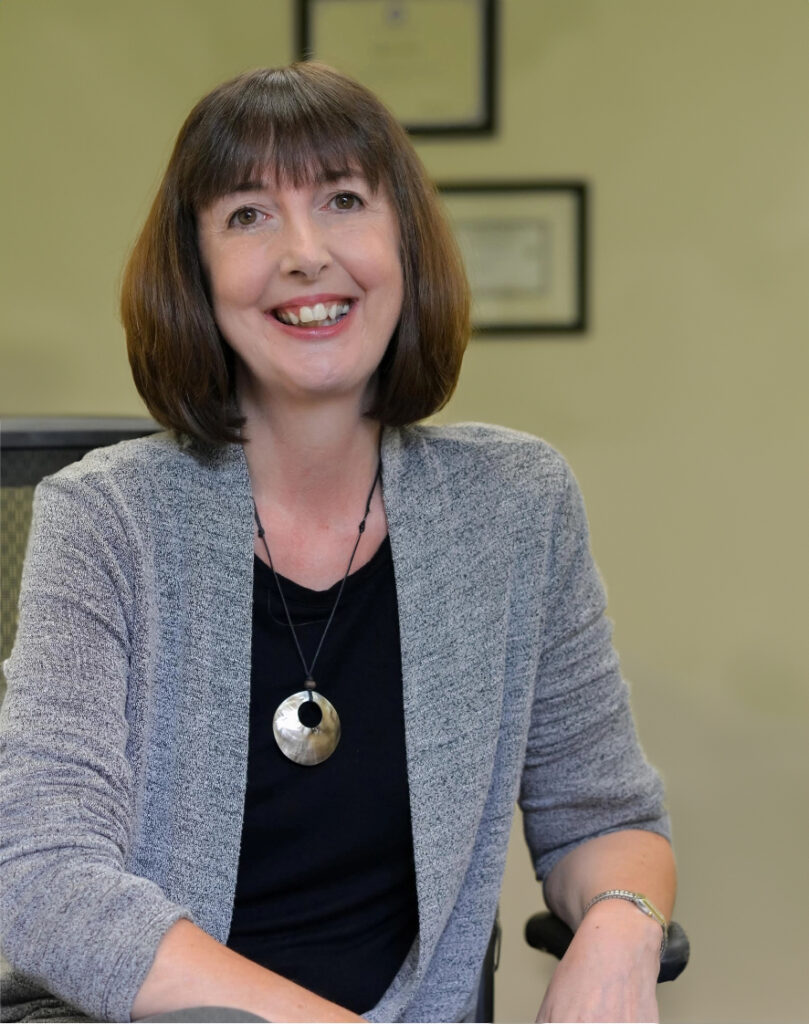
Working with someone who has spent their entire career supporting pregnant and new parents, means the work can start sooner, and the right approach is found faster. You don’t have to manage how you come across, or worry that what you’re feeling sounds too much or not enough. Dr. Allen has walked this path with hundreds of women. She understands and knows how to help you. That means the work can start sooner, and the right approach is found faster.
- Over 25 years of clinical experience, specializing in talk therapy with pregnant and postpartum women, with the full range of perinatal mood and anxiety disorders
- Pioneer researcher in PTSD following childbirth and among the first in the field to study and document this condition in the mid-1990s
- Published research on postpartum depression and birth trauma, and has presented at national and international conferences
- Founding Director of the Postpartum Depression Alliance of Illinois (PPD IL), a statewide nonprofit providing support to pregnant and postpartum women and their families — a role that reflects a commitment to this area that goes well beyond clinical practice
- Over two decades as an advocate for greater awareness of maternal mental health at both the state and national level, because these conditions affect far more women than are ever diagnosed or treated
- Interviewed as a featured expert in many magazines, news paper and TV and online media outlets
- Primary treatment approach is Cognitive Behavioral Therapy (CBT), which has the strongest evidence base of any psychological treatment for perinatal mood disorders
- Expert in accurate diagnosis across the full range of perinatal conditions, including anxiety, OCD, birth trauma, and PTSD, which are frequently misidentified as postpartum depression
- Gets to the root of what is driving how you are feeling and together you will develop the right tools and skills to help you make real, lasting change.
- Sees clients in person at her Northbrook, IL office and remotely via video or phone throughout Illinois, Florida, and the UK
Here is some more detailed information about the different types of maternal mental health issues that can occur:
Do You Have Pregnancy or Postpartum Depression?
It is common for 60–80% of new mothers to experience a period after birth commonly referred to as the baby blues — frequent tearfulness, mood swings, irritability, and a sense of vulnerability in the first few days after birth. The baby blues usually resolve on their own within two weeks with rest and support.
However, about 20% of new mothers find that these feelings don’t lift after two weeks, or that they are significantly more intense. If that is your experience, you may be dealing with postpartum depression — and you are not alone, and you are not to blame.
Postpartum depression can also begin during pregnancy itself. We used to focus almost entirely on the postpartum period, but research now shows that approximately 15% of women experience depression during pregnancy, with symptoms that can continue or worsen after birth.
What does pregnancy or postpartum depression actually feel like?
Depression during this period doesn’t always look like sadness. Many women describe feeling numb, empty, or simply not like themselves. You may recognize some of these experiences:
- Persistent low mood, tearfulness, or feeling emotionally flat
- Loss of motivation — even small tasks feel overwhelming
- Intense feelings of guilt, inadequacy, or shame about how you are feeling
- Difficulty bonding with your baby, or feeling disconnected from them
- Withdrawing from your partner, family, or friends
- Changes in appetite — eating much more or much less than usual
- Exhaustion that goes beyond normal new-mom tiredness
- Physical symptoms such as headaches or a racing heartbeat
- Feeling that your baby, your family, or everyone would be better off without you
That last symptom is one that many women feel too frightened or ashamed to mention. It is important to know that it is a symptom of depression, not a reflection of who you are as a mother and it needs to be taken seriously and treated.
How is postpartum depression different from the baby blues?
The baby blues are temporary and self-resolving, typically clearing within two weeks. Postpartum depression is more intense, lasts longer, and does not go away on its own without support. If your symptoms have continued past two weeks, or feel too heavy to manage, that is a clear signal to reach out for help.
What does treatment look like?
Postpartum depression is very treatable, and most mothers begin feeling meaningfully better within a few weeks of starting therapy. Treatment focuses on understanding what is driving your symptoms, developing strategies to manage guilt, anxiety, and overwhelm, and helping you reconnect with yourself and your baby. If you are still pregnant, starting therapy before your baby arrives can reduce the severity of postpartum symptoms significantly.
Read more about how therapy for pregnancy and postpartum anxiety with Dr. Sarah Allen works How Therapy Treats Pregnancy & Postpartum Depression.
Do You Have Pregnancy or Postpartum Anxiety?
Anxiety is actually the most common emotional difficulty experienced during pregnancy and the postpartum period, yet it receives far less attention than depression. Many women who are struggling with anxiety don’t recognize it as a clinical condition — they assume they are simply being a worrier, or that the constant fear and tension is just part of being a new mom. It isn’t, and you don’t have to keep feeling this way.
Pregnancy and postpartum anxiety affects approximately 1 in 5 women. It can begin during pregnancy or develop after your baby is born, and it can occur on its own or alongside postpartum depression.
What does pregnancy and postpartum anxiety actually feel like?
Unlike depression, which often involves feeling slowed down or withdrawn, anxiety tends to feel like your mind won’t switch off. You may recognize some of these experiences:
- Racing, repetitive thoughts that you can’t quiet, especially at night
- Constant worry that something is wrong with your baby, even when you’ve been reassured everything is fine
- An inability to relax even when your baby is sleeping and you have a chance to rest
- Physical symptoms such as a racing heart, tightness in your chest, shortness of breath, or feeling on edge
- Feeling like you need to check on your baby repeatedly, or difficulty handing your baby to anyone else
- Dreading situations you used to manage easily, like going out or being away from home
- Irritability and a short fuse that doesn’t feel like you
Many women with postpartum anxiety look fine from the outside as they seem to be coping, caring for their babies, and keeping things together. But internally they are exhausted, frightened, and running on adrenaline. If this sounds familiar, what you are experiencing has a name and it is very treatable.
How is postpartum anxiety different from normal new-mom worry?
Some worry is completely natural when you have a new baby. The difference with postpartum anxiety is that the worry is disproportionate, persistent, and gets in the way of your ability to function and enjoy life. If you find yourself unable to stop the thoughts even when you want to, or your worry is affecting your sleep, your relationships, or your ability to care for yourself, that is a signal that you would benefit from professional support.
What does treatment for pregnancy and postpartum anxiety look like?
After over 25 years of working with pregnant and postpartum women, I have found Cognitive Behavioral Therapy (CBT) to be the most effective approach for anxiety during this period. CBT helps you identify the thought patterns driving your anxiety, challenge them, and develop practical strategies to break the cycle of worry. It is a short-term, skills-based approach — the goal is for you to leave therapy with tools you can use independently for life.
Read more about how therapy for pregnancy and postpartum anxiety with Dr. Sarah Allen works How To Manage Pregnancy and Postpartum Anxiety With Cognitive Behavior Therapy (CBT).
But What I am Feeling Is Different From Being Depressed…
In recent years, research has reported that both pregnant and postpartum women can also experience symptoms and feelings that cannot be classified as depression or anxiety. These include obsessional compulsive disorder (OCD), which often involves intrusive thoughts about some type of harm coming to baby, postpartum bipolar depression and post-traumatic stress (PSTD) if a mother underwent a difficult birth experience.n
These disorders as well as postpartum depression and the emotional problems that present during pregnancy are now referred to as perinatal mood disorders (PPMDs), and statistics indicate that 10-20 percent of women experience one or more in some form. It’s important to note, however, that these statistics are probably lower than reality because women – perhaps even you – experience unnecessary guilt and shame and feel reluctant to tell anyone how they are really feeling.
More information about the different types of symptoms can be found in my free Guide To Pregnancy & Postpartum Stress, Anxiety & Depression which can be downloaded for free towards the bottom of the page and the many Pregnancy & Postpartum related Blog posts I have written.
Was Your Labor Difficult And Still On Your Mind?
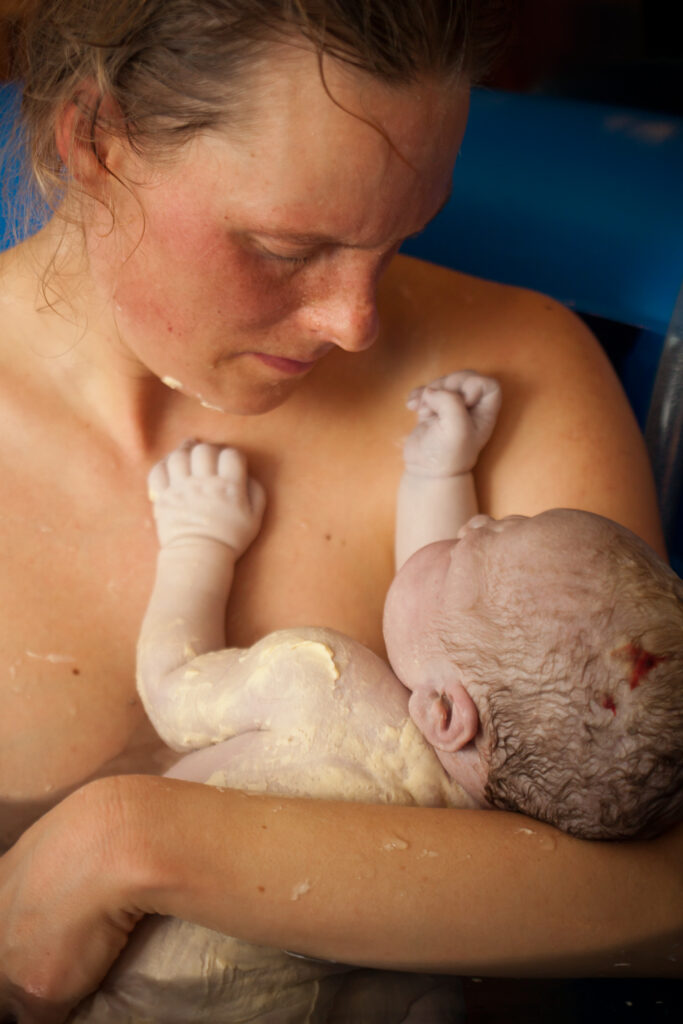
Postpartum post-traumatic stress disorder (PTSD) following childbirth is more common than you think. It is triggered by either traumatic events during delivery or shortly afterwards and can effect up to 6% of mothers. The experience usually leave a women feeling that either her life or the life of her baby was at risk and can have a huge effect on how she feels emotionally in the weeks or months afterwards.
Symptoms of postpartum PTSD might include intrusive images or dreams about the events during your labor such as medical procedures, pain, and expectations of harm or death happening to either yourself or the baby. It can also cause you to want to avoid places or things associated with the experience. You might also have persistent increased arousal (irritability, difficulty sleeping, hyper-vigilance, exaggerated startle response), anxiety and panic attacks, and feeling a sense detachment.
Back in the mid 1990s I was one of the first researchers to study PTSD following childbirth and I am so pleased that there is now a greater awareness about the effects a traumatic birth can have. Women who have experienced a previous trauma, such as rape or sexual abuse or any other trauma that their life was at risk, are also at a higher risk for experiencing postpartum PTSD. If a woman plans to get pregnant again, it is important to spend time processing what happened in the last labor before the birth of the next child.
Many women who experience PTSD after childbirth are told that they have postpartum depression (PPD) and although women can experience both PTSD and PPD at the same time, they don’t always go hand in hand. A proper diagnosis by a therapist who has experience working with both trauma and postpartum mood disorders is important for treatment to be effective.
To read more about how Dr. Sarah Allen treats birth trauma When Your Childbirth Experience Wasn’t What You Hoped For.

Maternal Mood Disorders Are Very Treatable With Expert Help
Why Getting Therapy Is Important
Many women experience maternal mental health mood disorders during or after one or all of their pregnancies. Your feelings are not uncommon, and you are not to blame. With the right help, you can feel better.
Research shows that depression and anxiety can significantly affect the bond between mother and baby, as babies are finely attuned to their mother’s emotional state. This means that seeking treatment promptly is important, both for you and for your baby. If you are at risk of postpartum depression or anxiety, getting support before your baby arrives can also reduce the chances of developing postpartum depression, or lessen its length and severity if it does occur. PubMed Central
Cognitve Behavioural Therapy (CBT) is the most thoroughly researched treatment approach for perinatal mood disorders, and the evidence for its effectiveness is substantial. A large-scale meta-analysis of 79 randomized controlled trials published in 2022 found that CBT was effective for perinatal maternal depression, anxiety, and stress, both in the short term and the long term. Importantly, CBT showed both short- and long-term effectiveness specifically for perinatal anxiety PubMed, which is significant given how commonly anxiety is overlooked compared to depression.
A separate systematic review and meta-analysis published in BMC Psychiatry in 2023, which included 31 studies and over 5,000 participants, further confirmed the effectiveness of CBT-based interventions for perinatal depression. PubMed
Many women hope that if they wait, the feelings will pass on their own. For some they do but according to Johns Hopkins Medicine, 25% of women in one study were still experiencing depression three years after the birth of their babies. MDPI A 2021 Swedish study published in the Scandinavian Journal of Public Health tracked mothers monthly for nearly two years and found that depressive symptoms were actually at their highest at 9, 12, and 17 months after birth MDPI
The contrast with women who have received treatment is significant with Springer showing up to 80% of individuals with postpartum depression achieve a full recovery. Seeking help is not a sign that something is deeply wrong with you, some women just need a few sessions to cope with such a big life transition. It is the most effective thing you can do for yourself, your baby, and your family.
Every mother’s situation is different, and the most effective treatment is one that is tailored to you, addressing the specific feelings and circumstances affecting your ability to enjoy motherhood, and helping you develop practical strategies you can use for life.
Why Work With Dr. Sarah Allen
Dr. Allen has over 25 years of experience specializing in maternal mental health including pregnancy and postpartum anxiety and depression, maternal stress, rage, PTSD from traumatic birth experiences, OCD and health anxiety relating to yourself or the baby.
Because she has years of specialized experience, she has worked with hundreds of pregnant and postpartum women, she will recognize your symptoms more accurately, reach the right diagnosis more quickly, and use validated treatment approaches. This matters because it means you can get the right diagnosis and treatment from the start.
While any licensed therapist can provide general therapy for anxiety and depression, working with maternal mental health requires specific training and experience in the hormonal and physiological changes of pregnancy and postpartum, in the particular thought patterns that drive perinatal anxiety and depression, and in how these conditions interact with infant bonding and relationship dynamics. Remember any therapist can say they specialize in this maternal mental health so please ask them what training they have taken, how long it took (some just take a webinar or 2-day training) and how many pregnant and postpartum women they have treated.
Dr. Allen uses evidence-based therapy approaches, primarily Cognitive Behavioral Therapy (CBT) and Interpersonal Therapy (IPT) adapted to each individual mother’s needs and situation.
She recognizes that every mother, family and situation is unique, and appreciates that each woman knows herself best. Together, you will address the feelings that are affecting your ability to enjoy motherhood and develop solutions to help you regain your sense of self while you care for your baby and family in ways that feel productive, healthy and positive.
She is the founding director of the Postpartum Depression Alliance of Illinois, a statewide nonprofit providing support to pregnant and postpartum women and their families, and has published research on postpartum depression and traumatic childbirth.
With Dr. Allen’s guidance, you’ll create strategies to cope with feelings of guilt, sadness and anxiety, adjust to the life transitions that baby brings, and balance the needs of your family, relationships, career and self.
Dr. Allen sees clients in person at her Northbrook, IL office which is in the north suburbs of Chicago and remotely via video or phone for clients throughout Illinois, Florida and the UK.
Read more about how video sessions work Dr. Allen Telephone & Video Sessions
But, You May Have Some Concerns About Getting Help…
This is one of the most common concerns new mothers have, and it is why I offer remote therapy. Many mothers find that the time they invest in therapy actually gives them back more hours, because they’re sleeping better, feeling less overwhelmed, and not spending mental energy on anxious thoughts. Getting support sooner also tends to mean fewer sessions overall.
The baby blues do resolve on their own, usually within two weeks. But if your symptoms have lasted longer than that, or feel more intense than ordinary new-mom exhaustion, waiting is unlikely to help and can allow symptoms to deepen. Postpartum depression and anxiety don’t typically just lift with time — but they do respond very well to treatment. Most mothers begin feeling meaningfully better within a few weeks of starting therapy. You don’t have to keep pushing through on your own when effective help is available.
Financial stress during the postpartum period is real, and it’s a completely understandable concern. It’s worth checking your insurance out of network benefits, as many plans reimburse something. Half way down my Fees page are questions to ask your insurance company. Some of my clients see my every other week to make therapy more affordable.
It’s also worth considering the longer-term cost of untreated postpartum depression on your relationship, your ability to function, and your bond with your baby. Please reach out to discuss your situation. Understanding your options shouldn’t be another thing you have to figure out alone.
Frequently Asked Questions About Pregnancy & Postpartum Mood Disorders
A: Perinatal mood disorders is an umbrella term for the range of emotional and psychological difficulties that can occur during pregnancy or in the postpartum period. They include prenatal and postpartum depression, prenatal and postpartum anxiety, postpartum OCD (which often involves distressing intrusive thoughts about harm coming to the baby), postpartum bipolar depression and postpartum PTSD. Research suggests that 10–20% of women experience at least one of these conditions, and many go undiagnozed because of shame or not recognizing that what they are feeling has a name and is treatable.
A: The baby blues are very common, affecting 60–80% of new mothers, and typically involve mood swings, tearfulness, and irritability in the first few days after birth. They usually resolve on their own within two weeks with rest and support. Postpartum depression is more intense, lasts longer than two weeks, and includes symptoms like persistent sadness, loss of motivation, feelings of guilt or inadequacy, and difficulty bonding with your baby. Unlike the baby blues, postpartum depression does not go away on its own and responds well to professional treatment.
Â
A: Yes. While postpartum depression gets the most attention, research shows that approximately 15% of women experience depression during pregnancy itself, along with symptoms like excessive worry, changes in sleep and appetite, and difficulty concentrating. Treating these symptoms before birth is important — it can reduce the severity and duration of postpartum mood disorders and allows you to begin motherhood feeling more stable and supported.
A: While any new mother can develop postpartum depression, certain factors increase risk: a personal or family history of depression or anxiety, previous pregnancy or postpartum mood difficulties, significant life stressors, lack of social support, a traumatic or difficult birth experience, and extended sleep deprivation. Having risk factors does not mean you will develop PPD — but it does mean seeking support early in pregnancy, rather than waiting to see how you feel after birth, is especially worthwhile.
A: Dr. Allen uses evidence-based approaches including Cognitive Behavioral Therapy (CBT) and trauma-focused therapy where relevant, tailored to each mother’s individual situation. Sessions focus on understanding your symptoms, developing strategies to manage anxiety, depression, guilt, anger and overwhelm, and addressing any underlying issues such as birth trauma or relationship stress. The goal is practical: to help you feel better as efficiently as possible and to give you tools you can continue using after therapy ends.
A: Maternal mental health is a specialist area. A therapist with specific training and experience in perinatal mood disorders will recognise your symptoms more accurately, reach the right diagnosis more quickly, and use treatment approaches validated for this period of life. It’s also worth knowing that any therapist can describe themselves as specializing in this area, so don’t be afraid to ask what specific training they have and how many pregnant and postpartum women they have worked with.
A: Dr. Allen has over 25 years of experience working with pregnant and postpartum women, has published research on postpartum depression and birth trauma, and is the founding director of the Postpartum Depression Alliance of Illinois. That level of specialist experience means you can be confident you are getting the right diagnosis and the right treatment from the start and help you feel more like yourself sooner.

Dr. Sarah Allen has 25+ years of experience helping women to transition to being the mom they want to be. She is also the Director of the Postpartum Depression Alliance of IL, a non-profit she started 20 years ago that offers information & support to pregnant & postpartum women and their families. She has also published research on postpartum depression and traumatic childbirth and presented at conferences.
If you would like to work with Sarah, please phone her at 847 791-7722 or on the form below.
If you would like to read more about me and my areas of specialty, please visit Dr. Sarah Allen Bio. Dr. Allen’s professional license only allows her to work with clients who live in IL & FL & the UK and unfortunately does not allow her to give personalized advice via email to people who are not her clients.
Dr. Allen sees clients in person in her Northbrook, IL office or remotely via video or phone.
What Can I Read That Helps Me While I Am Waiting For My First Appointment With Sarah?
If you feel that you may be experiencing pregnancy or postpartum mood disorder, or worry that you may be at risk of developing it, please download my free booklets below.
See each specific webpage to download one or many.











As featured in









If you are thinking about getting counseling and you’d like to talk to someone about the things that are troubling you, I am happy to help.